Company news·10 Nov 2026
LENGGRIES, GERMANY (26 November 2026)
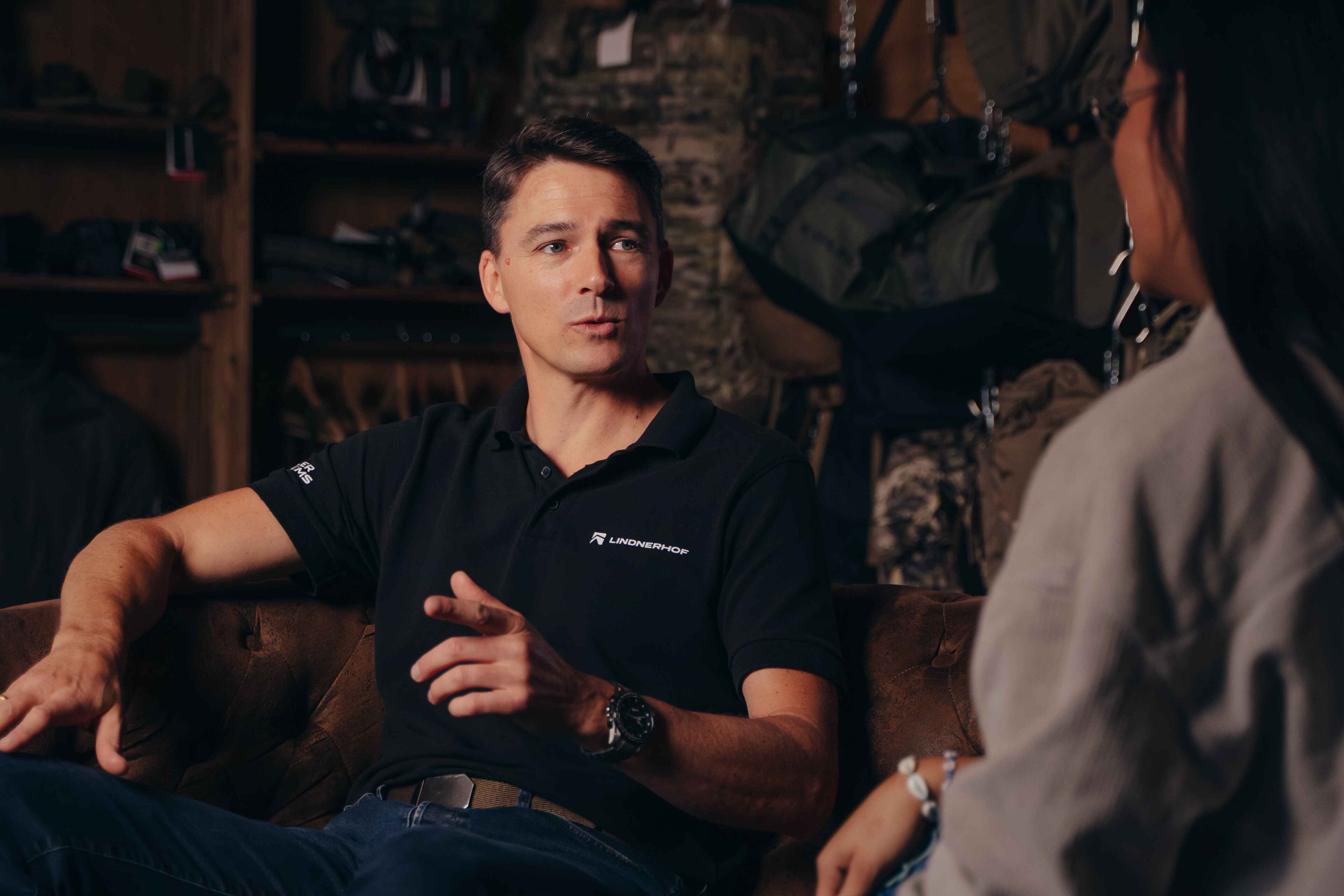
“Can we make the product one time and can we make it 10,000 times?”
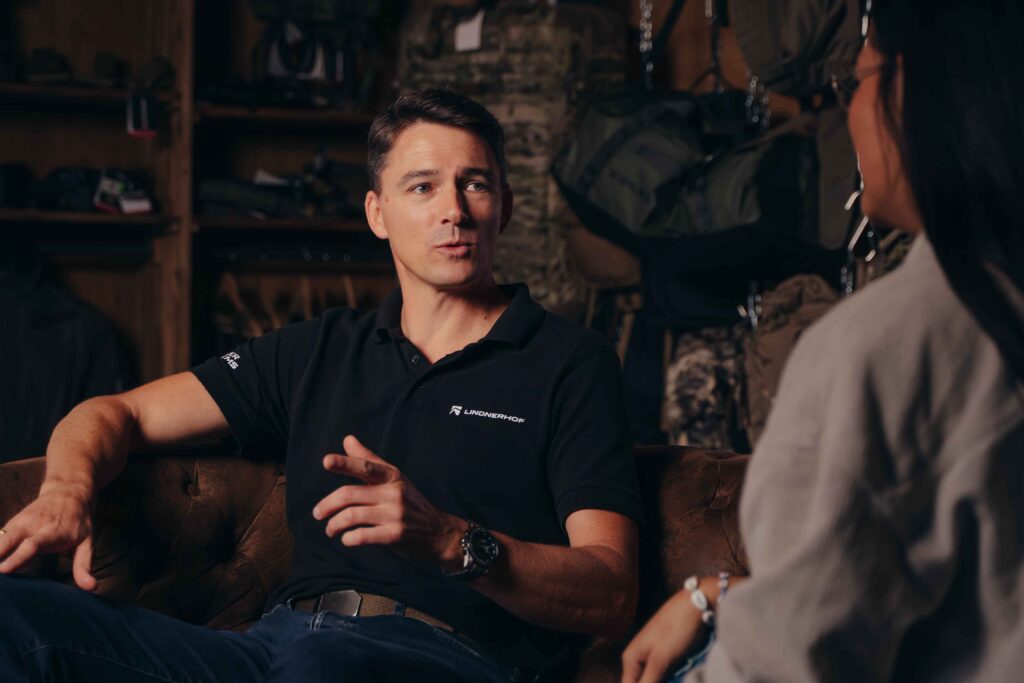
Paul Jennewein, Managing Director of Lindnerhof, asks that question while the equipment is still in the sample room. An experienced sample maker might spot a construction detail that will be difficult to reproduce. A buyer might ask whether the same textile will still be available for the next order. And the design team needs to know which parts of a carrier must change for a customer and which can be shared across configurations.
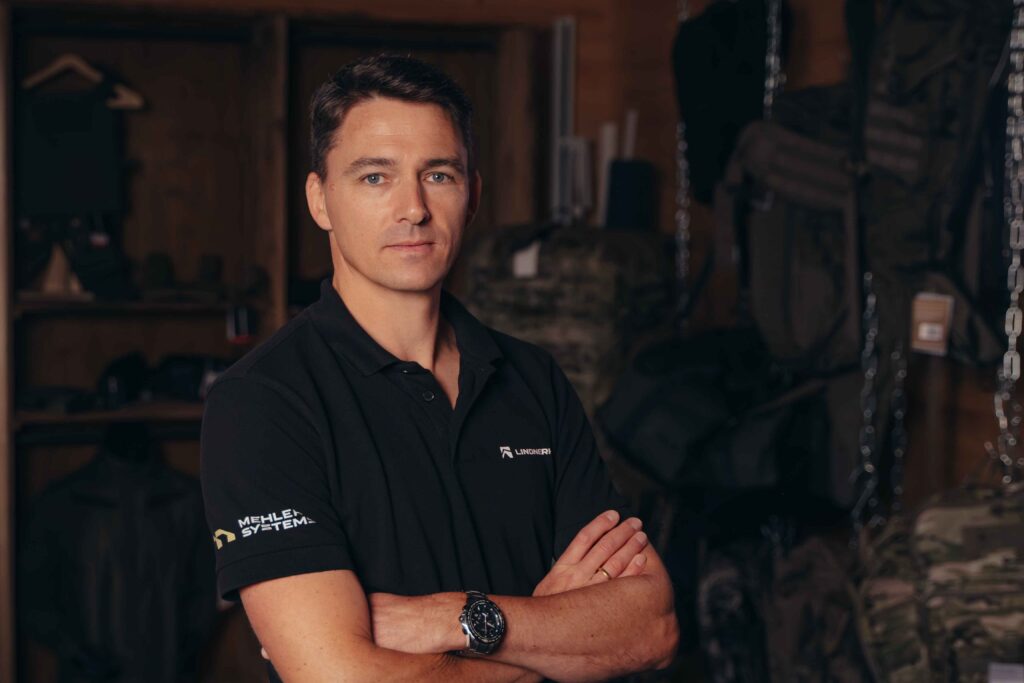
Jennewein spent more than 18 years working in high-performance and defence textiles before joining Lindnerhof. Now he can follow those decisions all the way from the first sample to the equipment an operator wears. He wants the people who will source, build and use it to shape the design while it’s still easy to change.
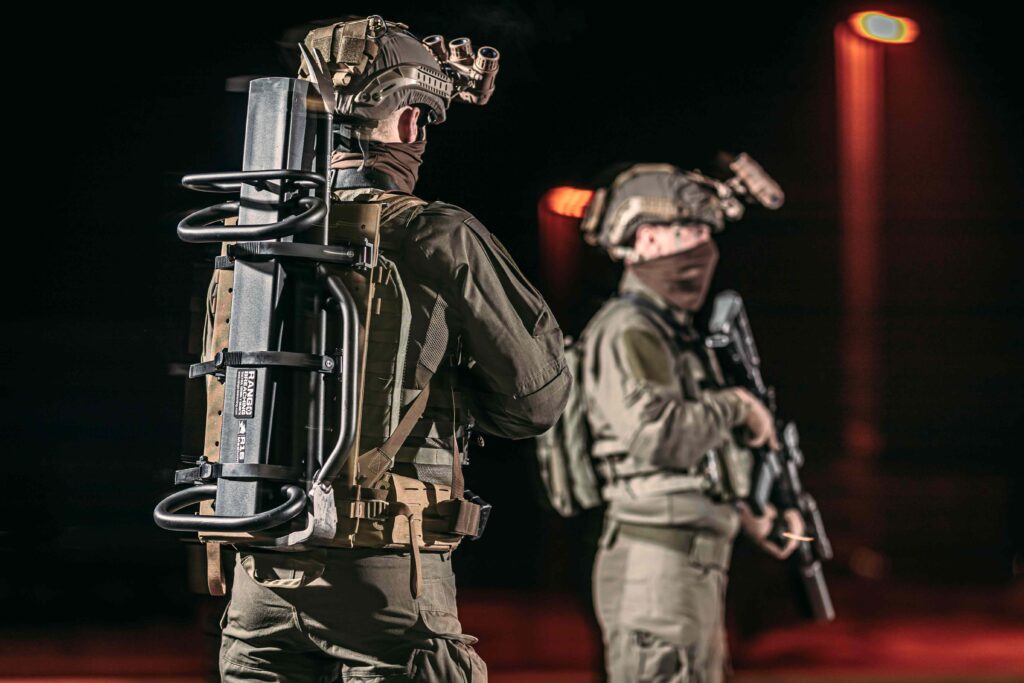
When Lindnerhof began developing a modular load-carrying system, the team wanted to help operators move more easily under load and keep both hands free. Jennewein likens some early prototypes to Frankenstein’s monster. Putting a rough build in front of potential users gave the team a way to spot small but important issues early. They took off elements that served no purpose, built another version and refined it again.
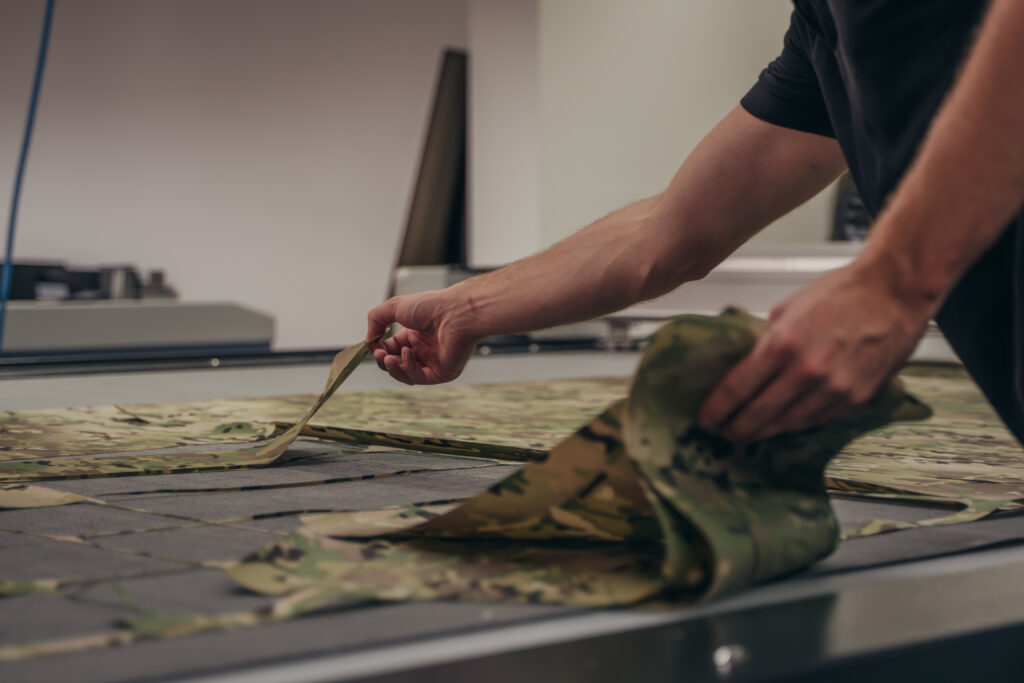
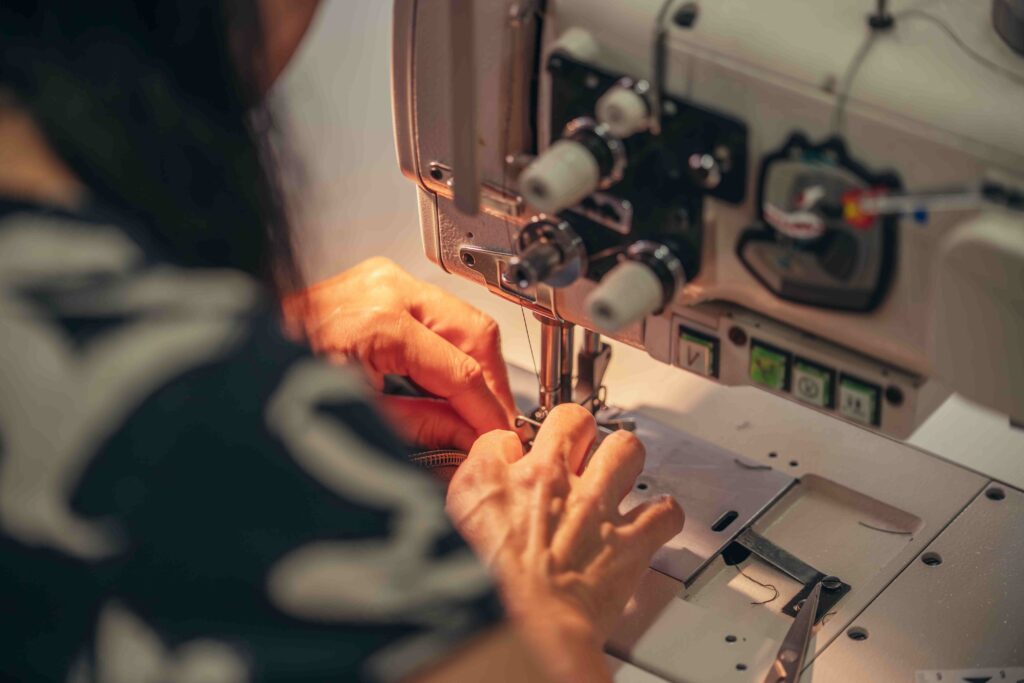
In the sample room, the same build reveals a different set of details. An experienced sample maker can spot difficulties during assembly that are hard to see on a drawing. “It should teach us how to manufacture it,” Jennewein says of the prototype. Those early lessons help the team decide how to specify and test the product. It can also raise questions about how a customer will maintain or repair it.
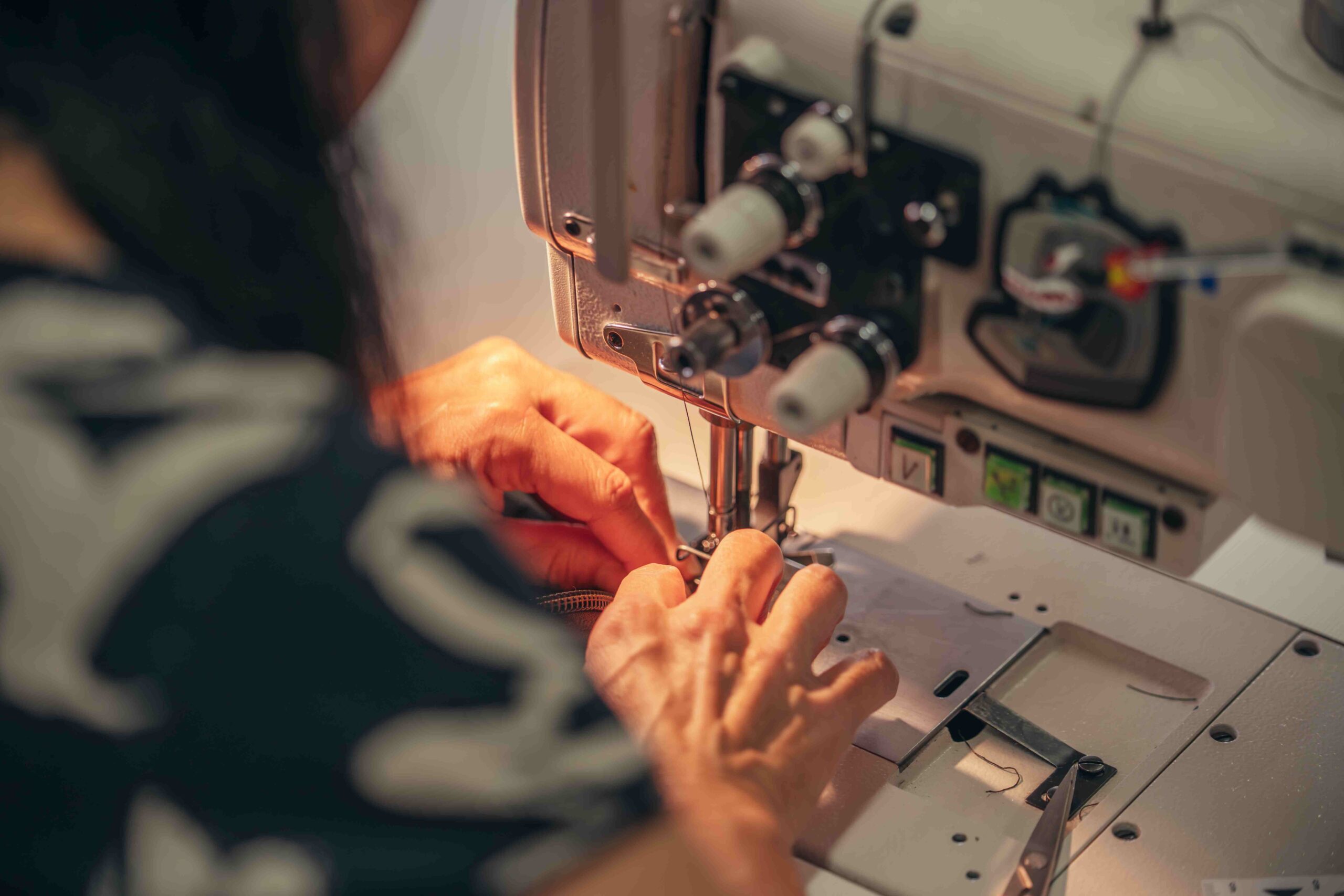
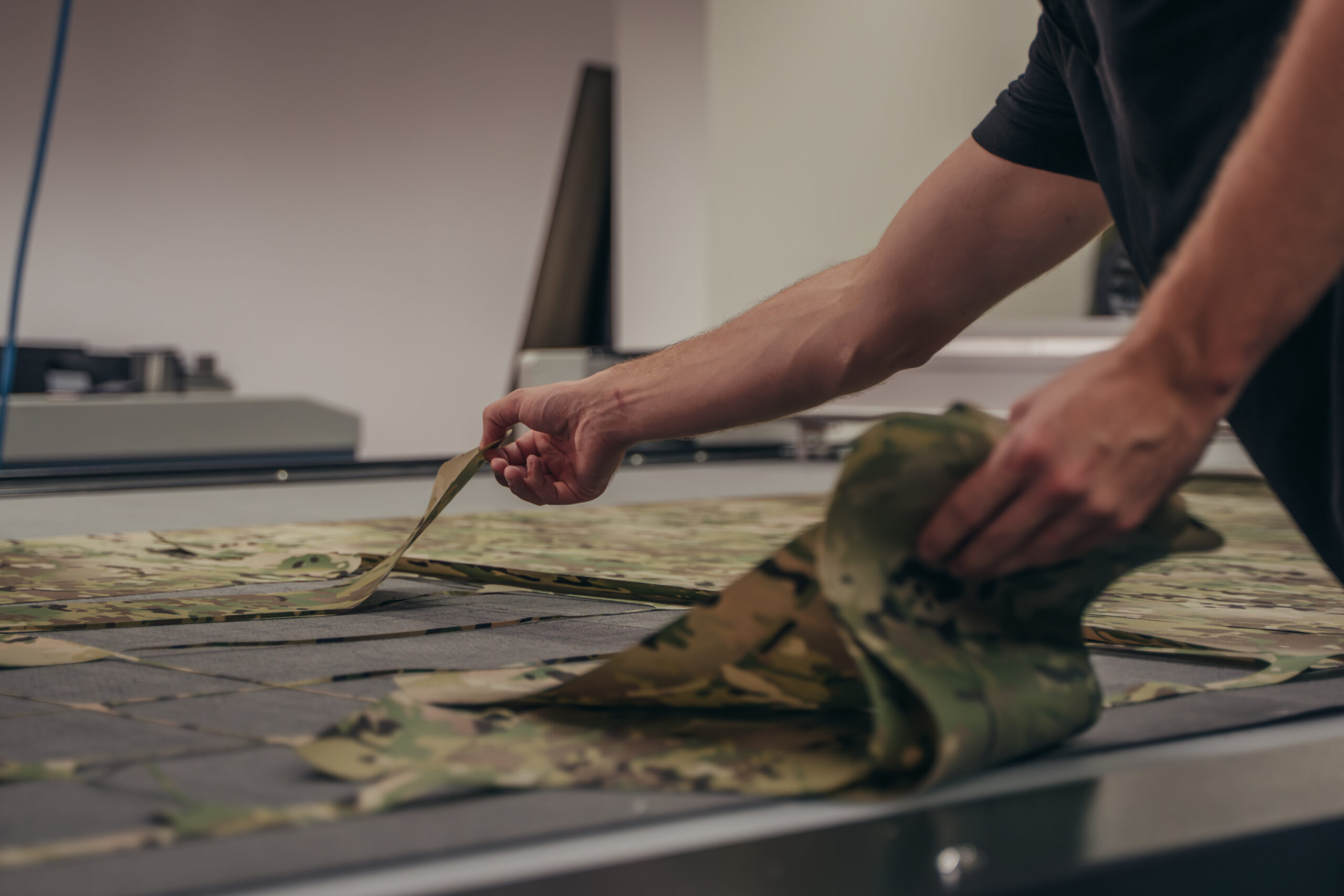
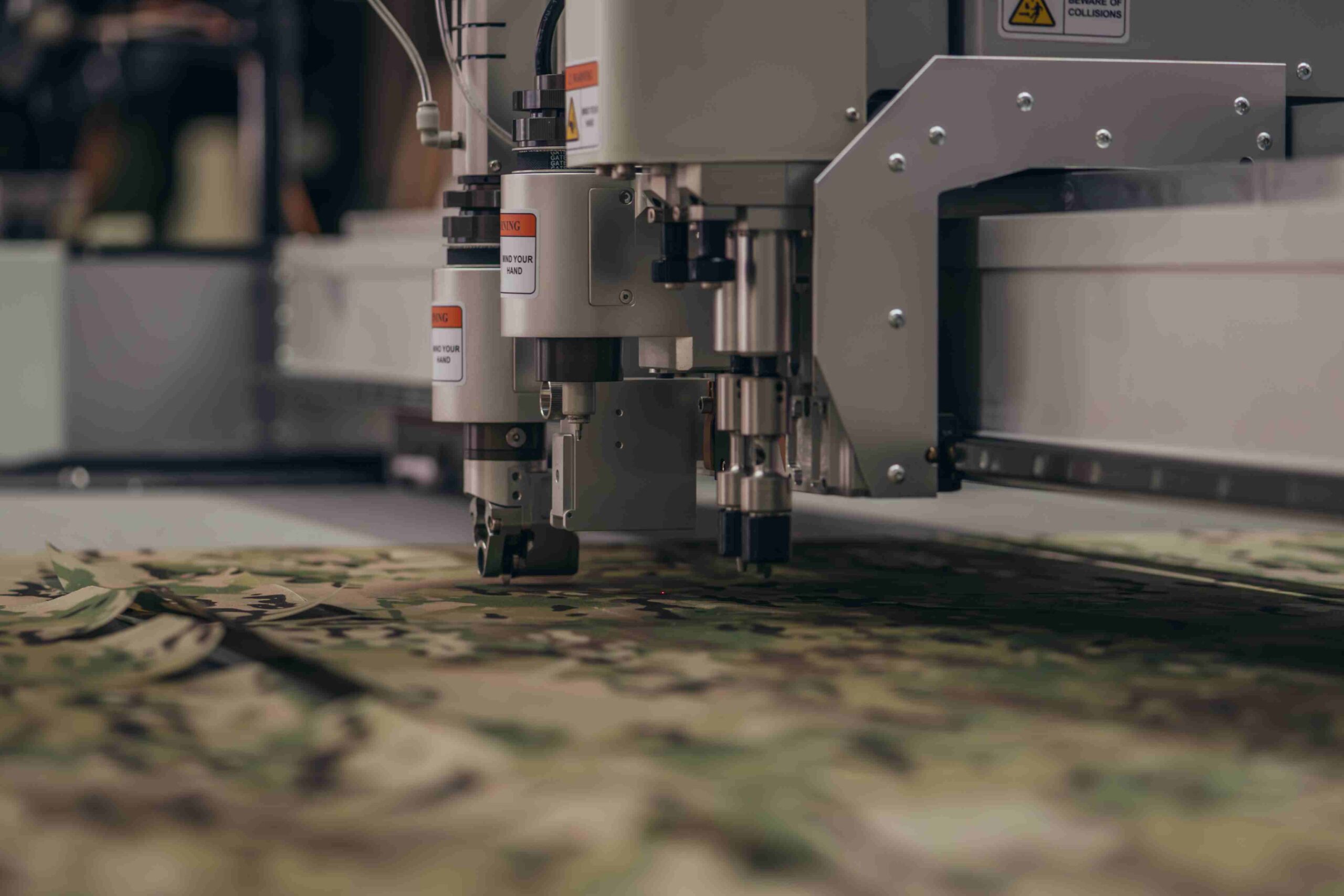
This is where Jennewein’s background meets that of fellow Managing Director Jakob Kolbeck. Kolbeck brings first-hand operational experience and a close understanding of customers. Jennewein brings experience in textile technology and production. Their teams bring those perspectives together while they can still change what goes into the equipment and how it is made.
A textile can perform well in a laboratory and still raise questions once it becomes part of a carrier. How does it work alongside other components? Can the team work with it consistently in production? Can suppliers keep providing it, and will it continue to meet regulatory requirements as they evolve?
Jennewein sums up his approach in three words: “Reliability before novelty.” When Lindnerhof assesses a new material or manufacturing method, the team compares it with the existing solution and considers what the change would mean for the complete product. If a project needs to move quickly, materials that meet familiar, accepted standards can help the team establish manufacturability and quality sooner. The further a design moves beyond those standards, the more time the team needs to validate it.
“Quality cannot be inspected into a product at the end. It has to be engineered into the process.”
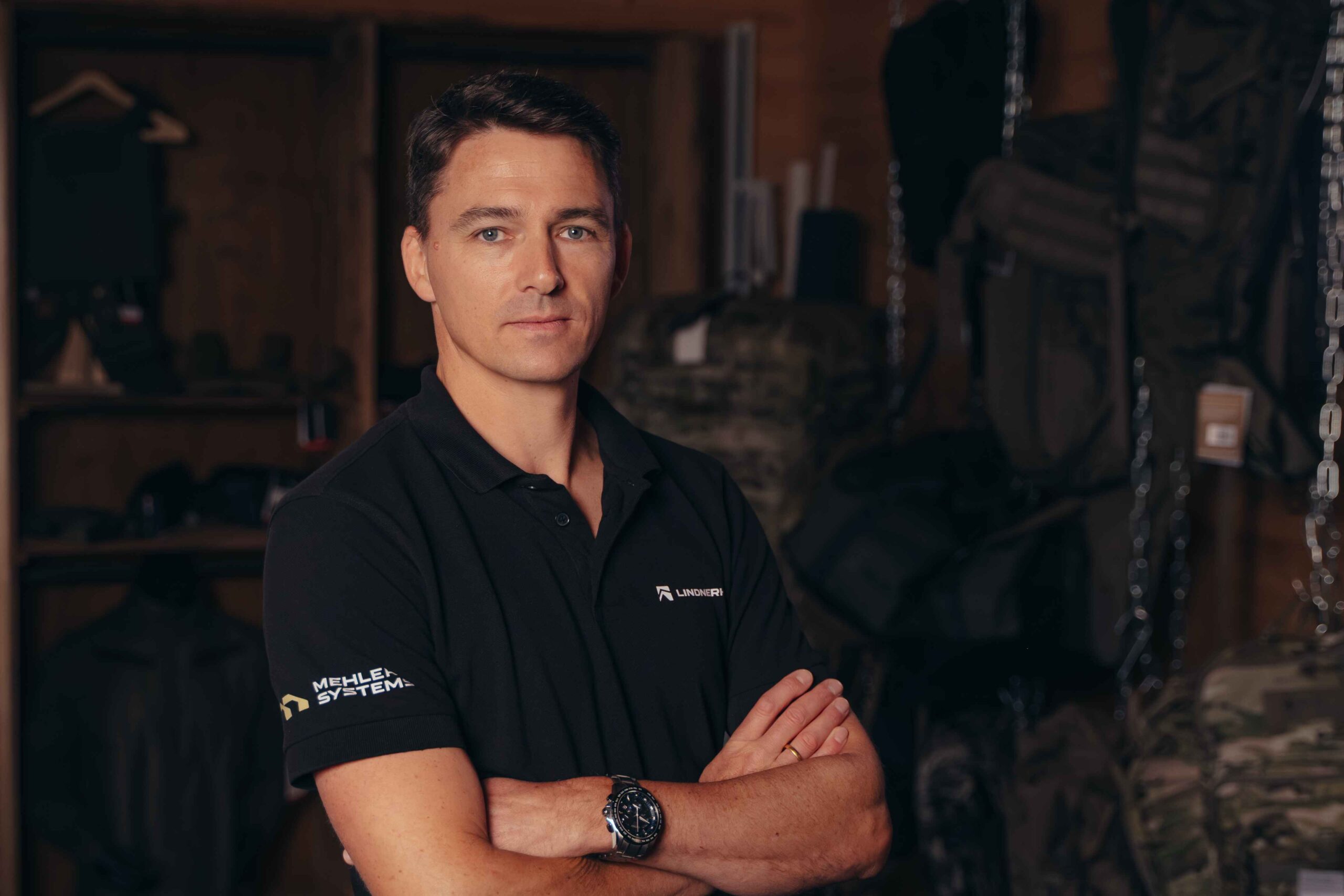
As a design moves towards series production, colleagues independently assess how it will be made at up to five points in the process. Specifications spell out what matters, from materials and dimensions to workmanship, function and testing. Qualified suppliers, trained staff and controlled processes help production teams deliver to those specifications from one run to the next.
Repeatability also matters when customers need different versions. Two orders might call for different configurations while using the same buckles, attachment systems or interfaces. By deciding early which elements can be shared and which need to change, Lindnerhof can tailor equipment to the customer and give production teams a common set of components and methods to work with.
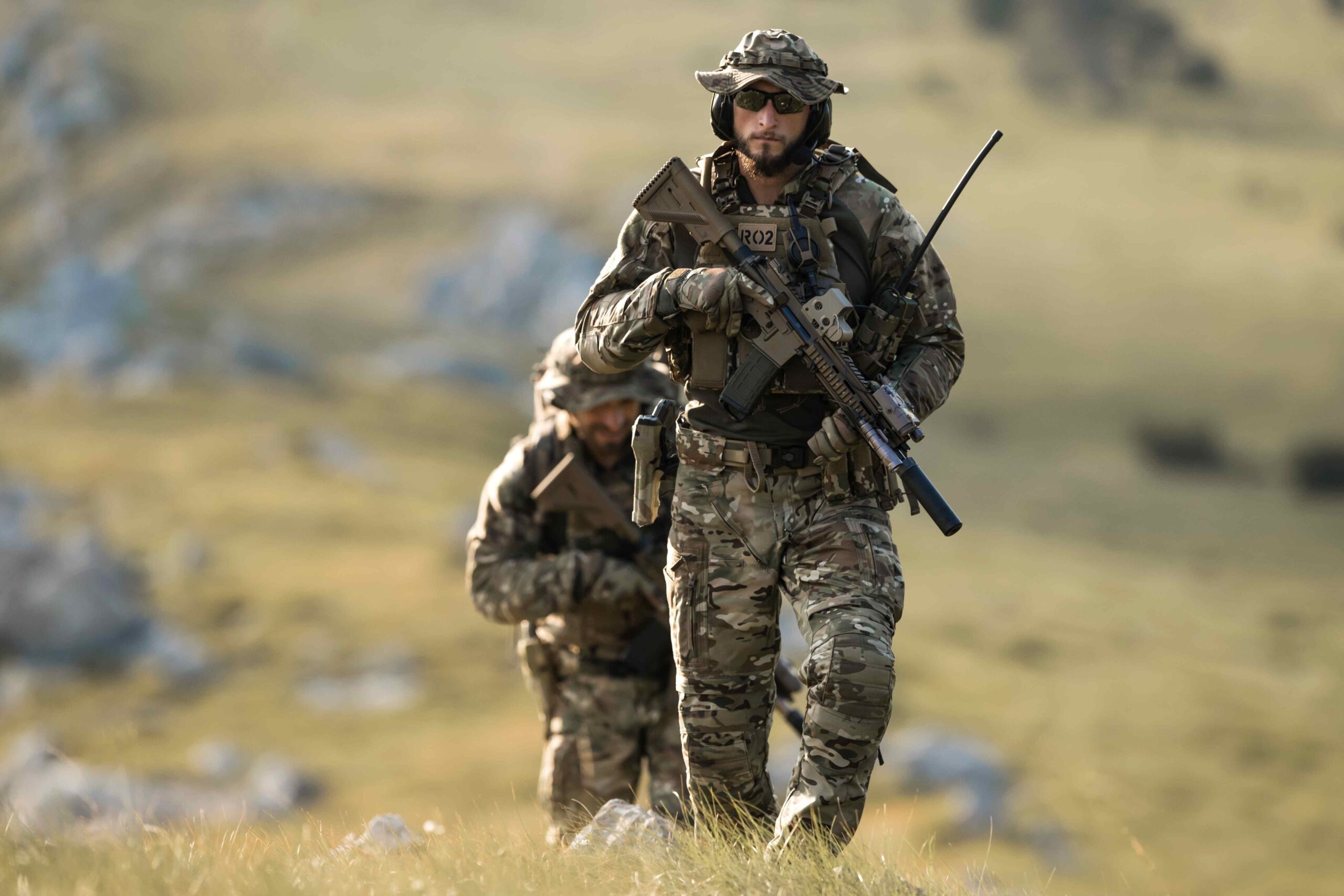
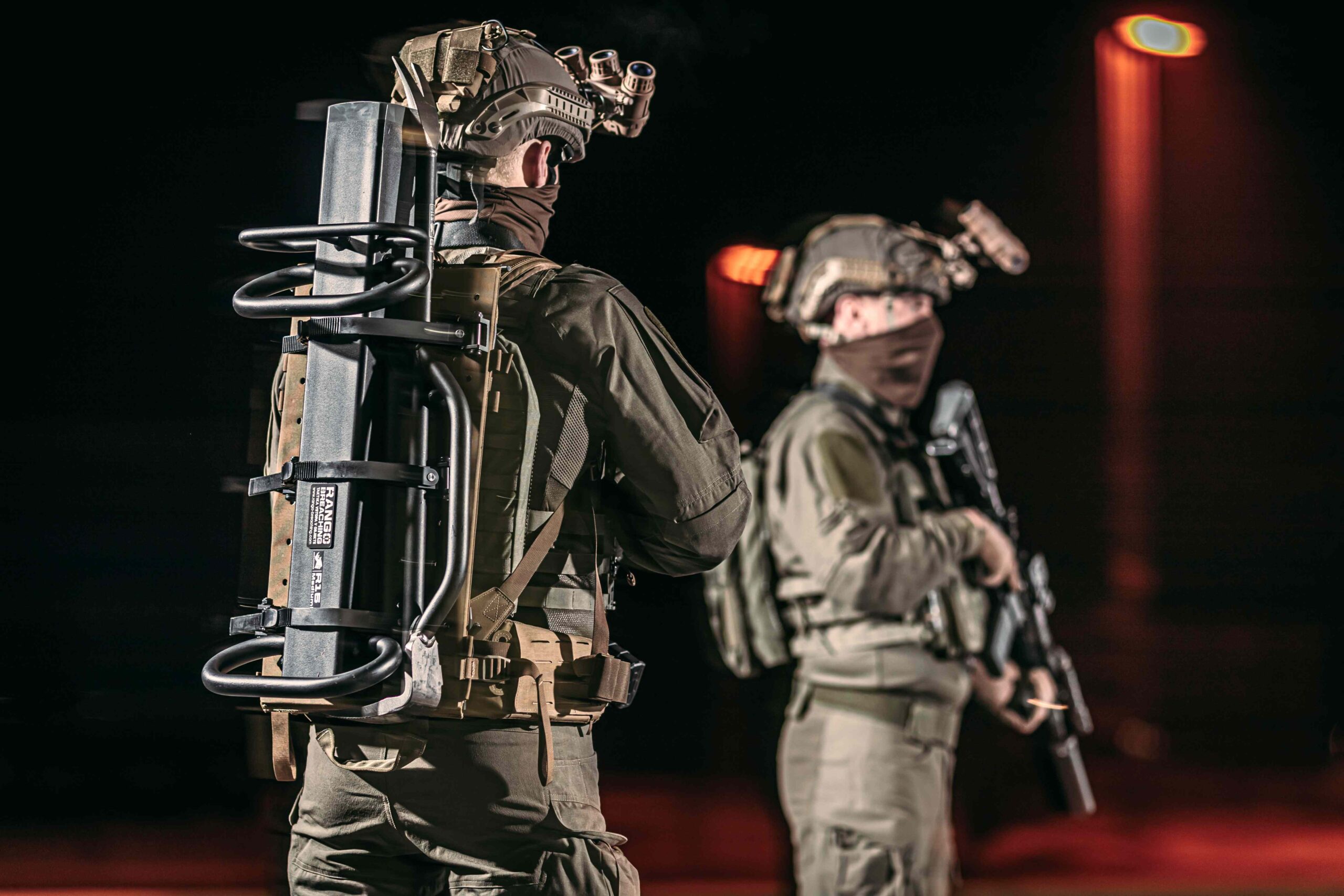
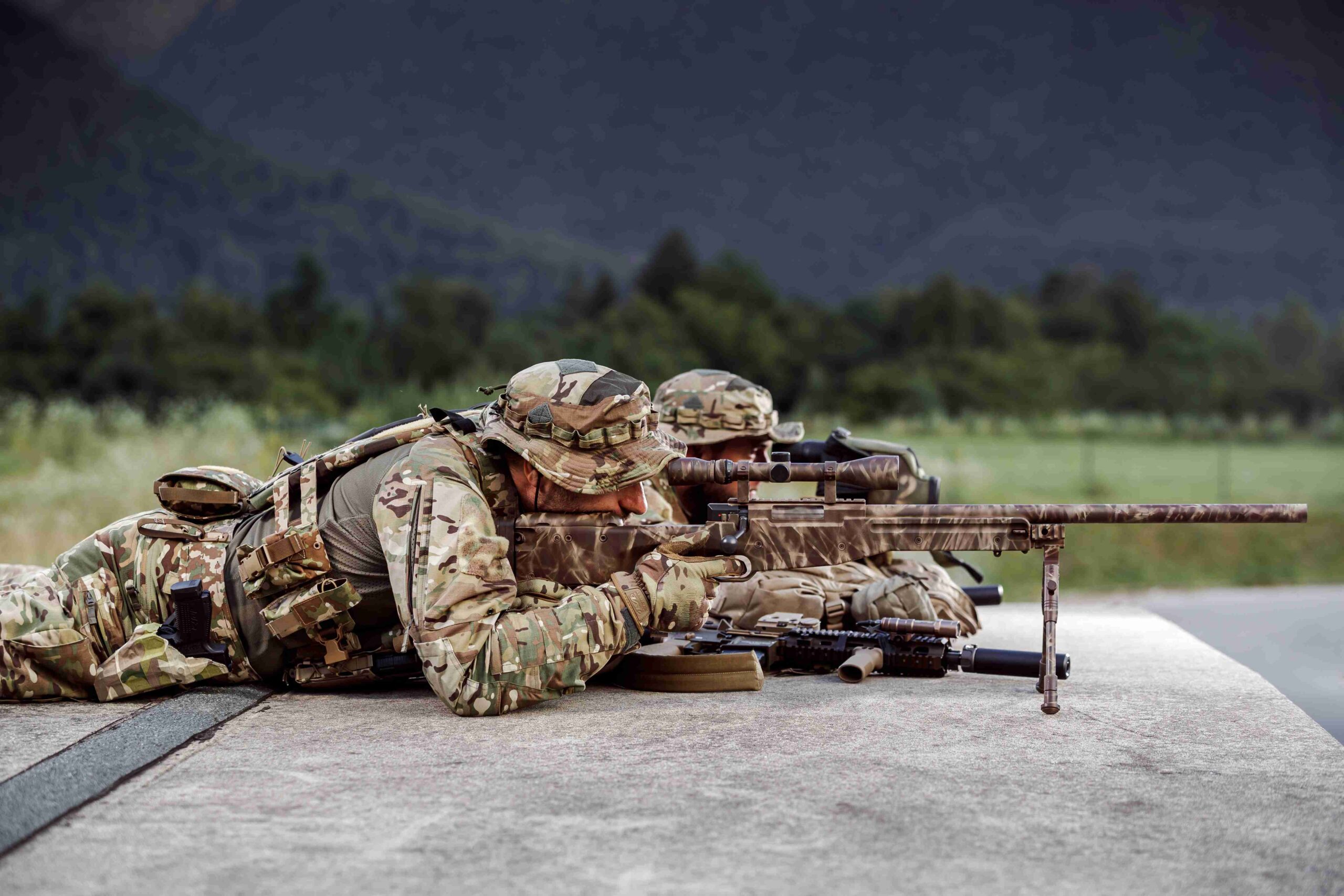
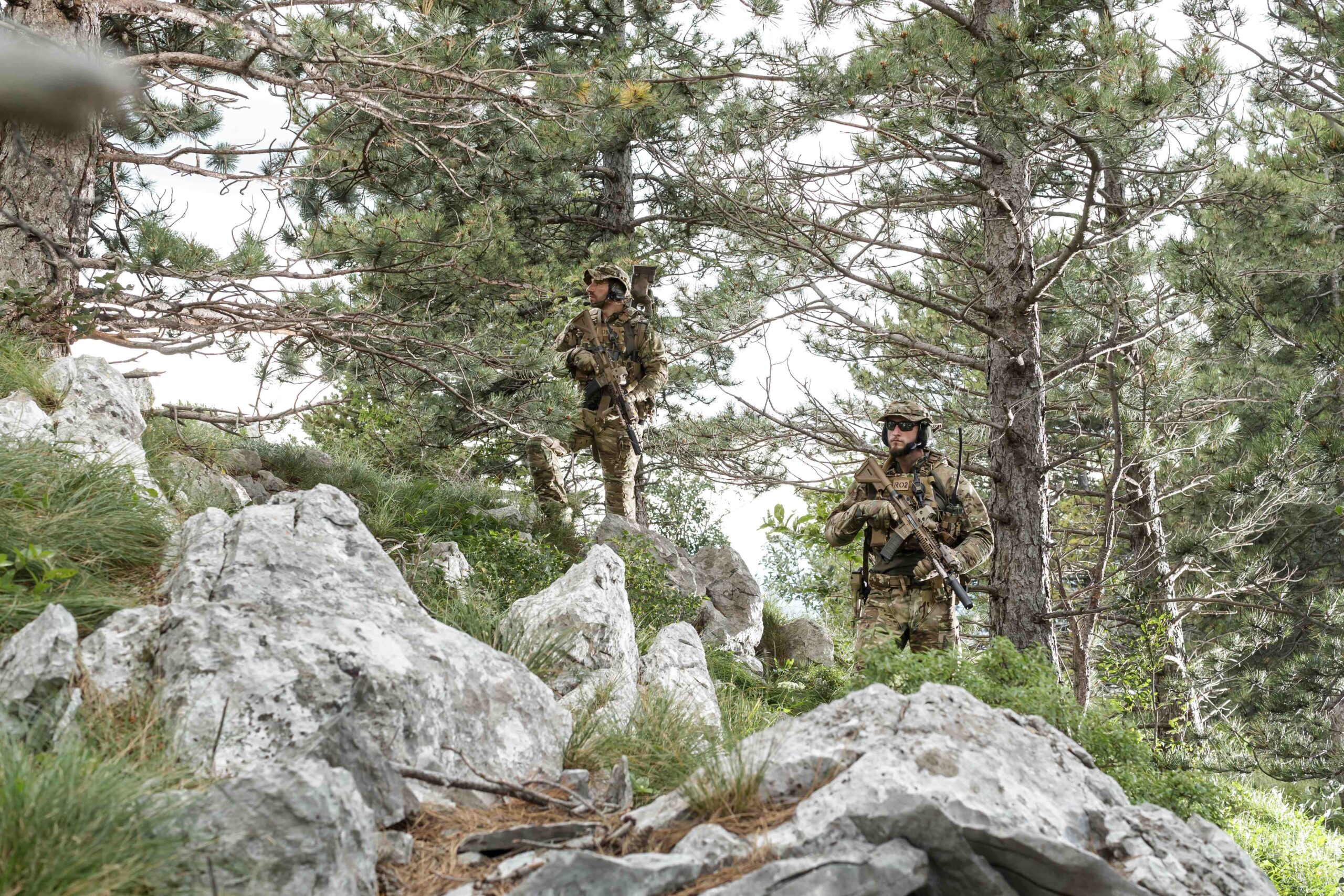
As Lindnerhof grows, Jennewein wants to preserve what he calls the maker mentality. Designers and sample makers need to be able to build a first version, test it and make changes while the design is still taking shape.
“Growth should not increase the distance between an idea and the person capable of building it.”
Keeping that way of working depends on passing on knowledge that is hard to capture in a specification. When experienced sample makers and production staff work alongside younger colleagues, they can show how a detail is assembled and explain why it matters. Working closely with production also helps developers see how their designs come together and gives buyers a clearer understanding of the technical requirements they discuss with suppliers.
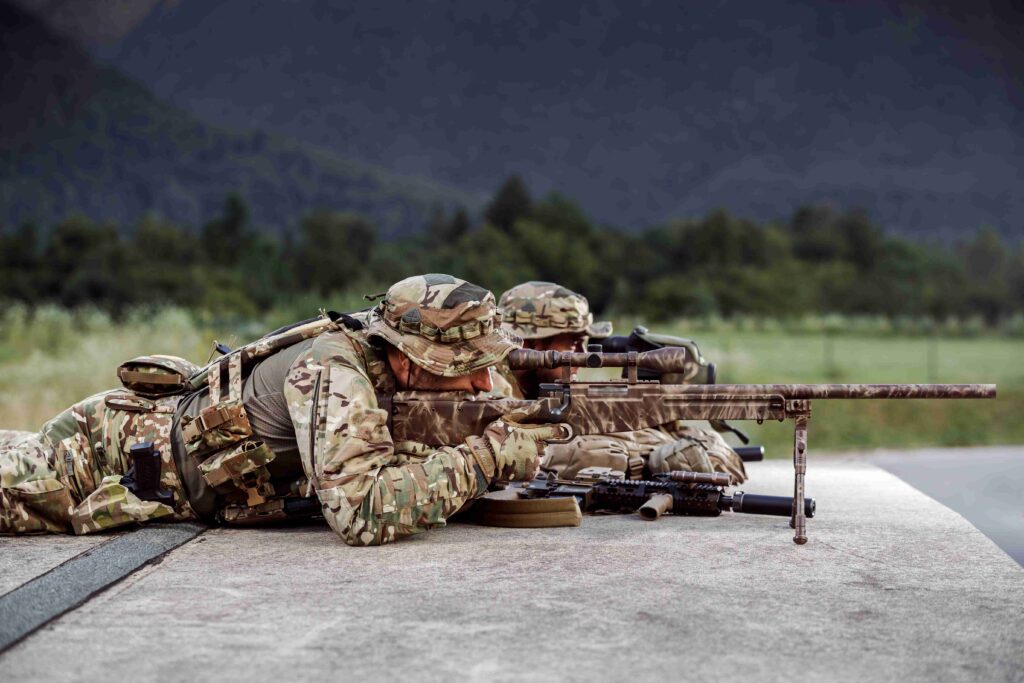
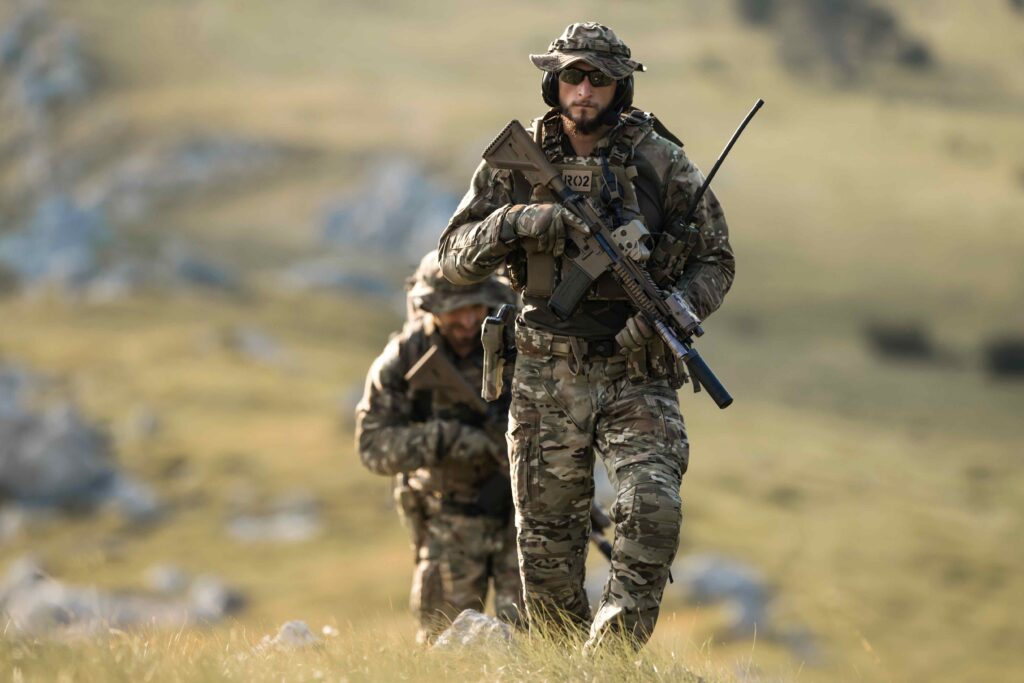
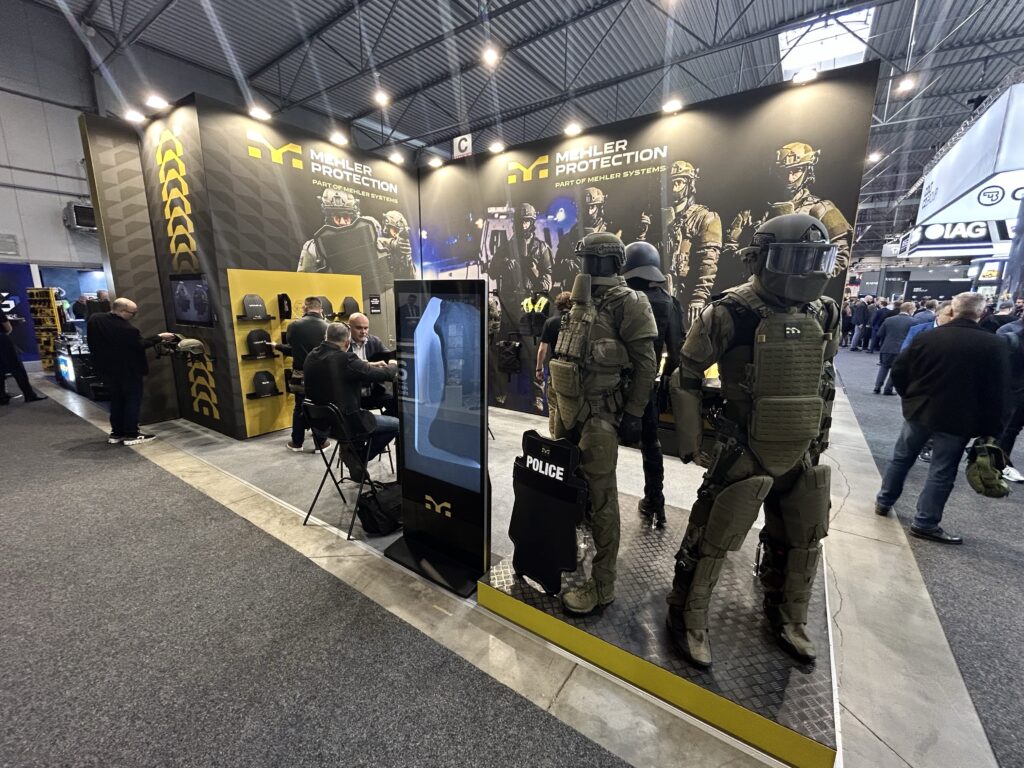
For Jennewein, the next opportunity is to apply that thinking across Mehler Systems. An operator wears a carrier, pouches, clothing and ballistic protection together. “The advantage is not simply being bigger. It is having access to complementary expertise,” Jennewein says. Bringing the specialists who design those products into the same conversation lets them consider how each piece will fit and function within the complete equipment system.
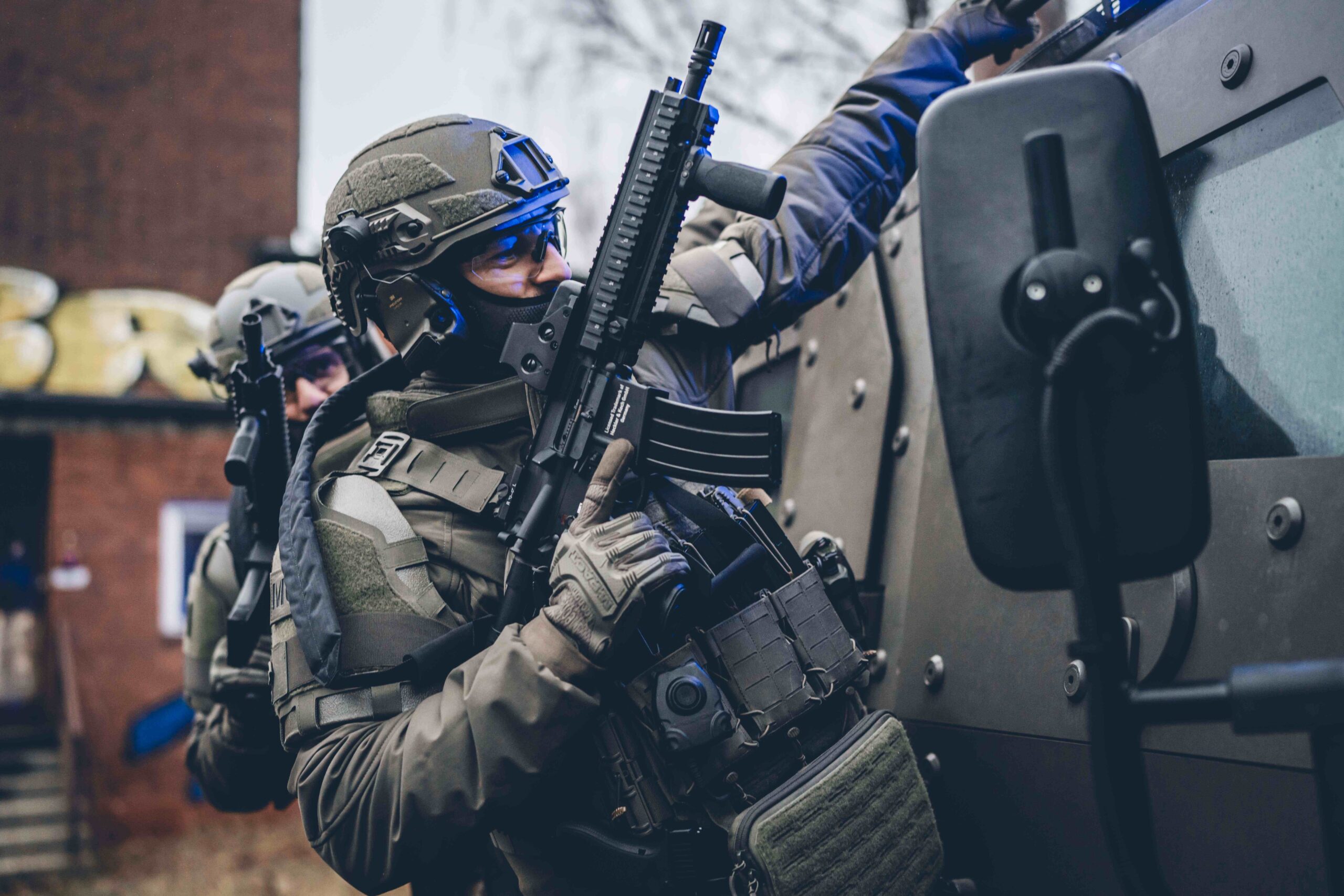
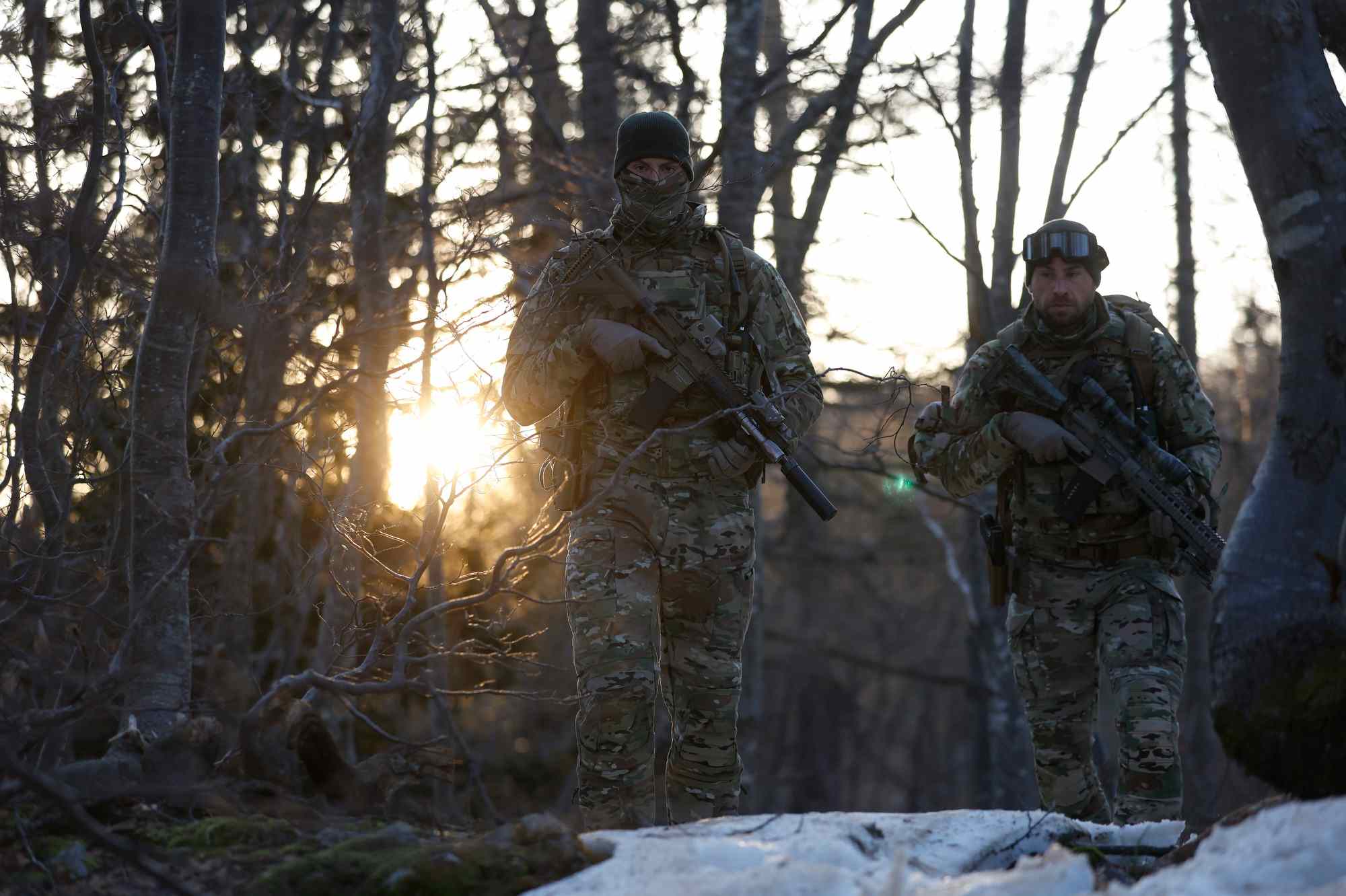
So, what does it actually take to go from one to 10,000?
At Lindnerhof, it starts with what the sample makers learn from building the first prototype. That knowledge shapes the specifications, from which materials buyers order to how the factory assembles and checks each piece. By the time series production begins, the team has a process it can repeat to the same standard.