


Company news·20 Mar 2026
FULDA, GERMANY (18.12.2025)
“Being able to say yes to a customer is easy. Being able to deliver on that yes is what really matters.”
In a defence and security environment shaped by rising investment, renewed focus on readiness, and increasingly complex operational demands, that distinction has taken on greater relevance. Expectations placed on manufacturers today extend beyond availability or ambition. They centre on reliability, scalability, and the ability to deliver under pressure.
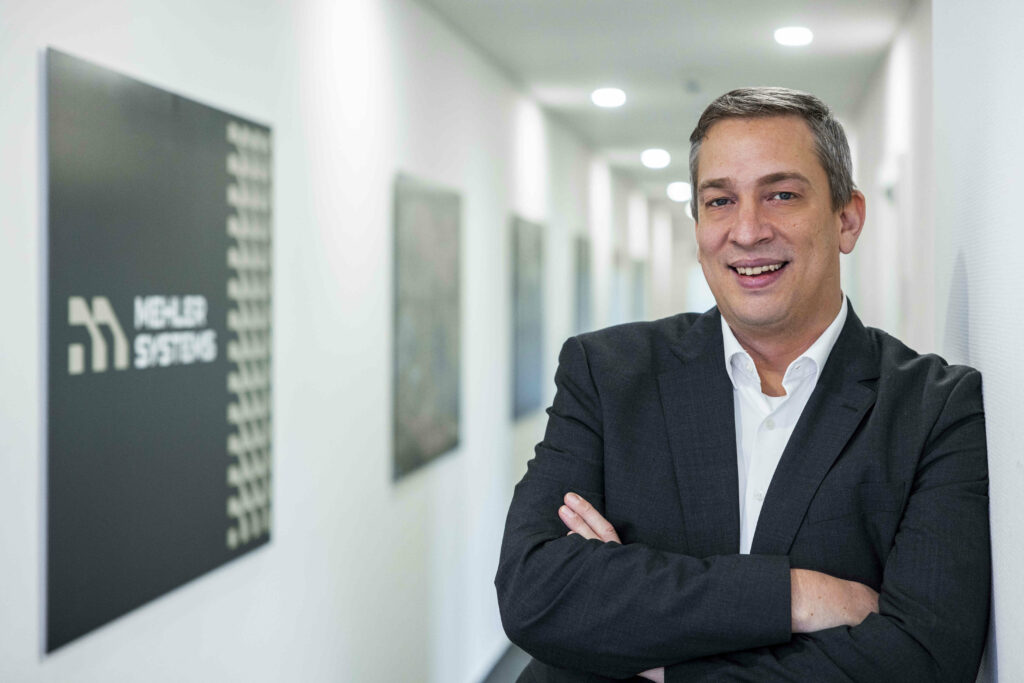
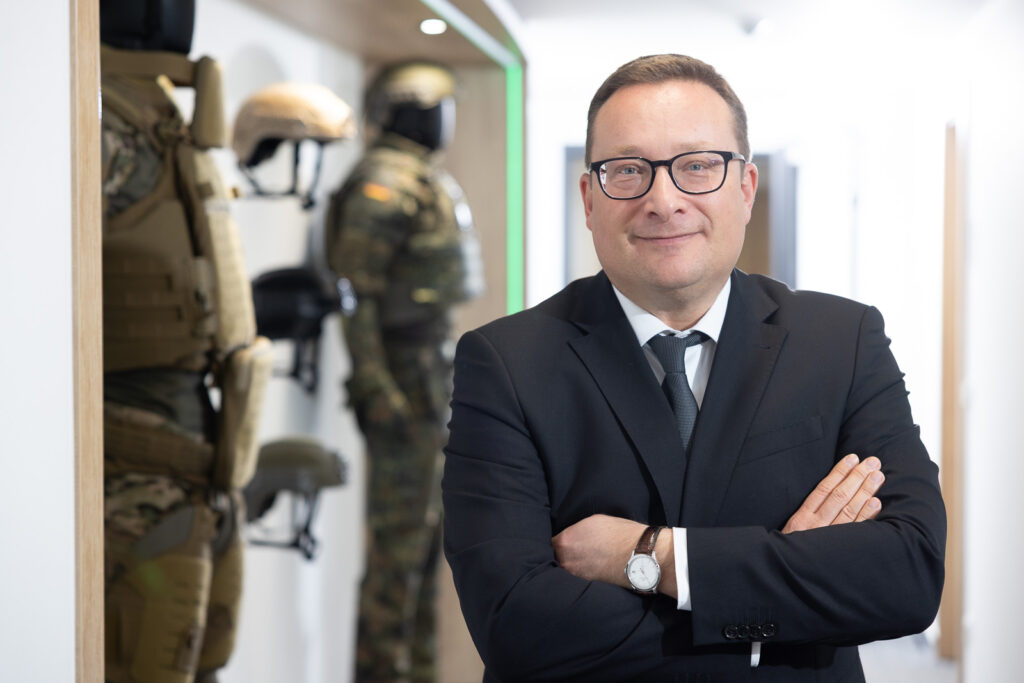
From his position overseeing global sales activities at Mehler Systems, Daniel von Chamier, Group Director of Sales, has a clear view of how these expectations are evolving. He describes a market in which projects are growing in scale and complexity, requiring organisations to continuously reassess how they are structured and how they operate.
For Mehler Systems, this has meant building on foundations laid years ago while continuing to adapt. Capacity expansion, internationalisation, and a sustained focus on delivery are not the result of a single strategic shift, but of an ongoing process shaped by changing requirements across markets.
“What you’re seeing now is the result of decisions we started making quite a while ago, and that work is still ongoing,” von Chamier explains. “As requirements evolved and projects became larger and more complex, it became clear that relying on existing structures alone would not be sufficient.”
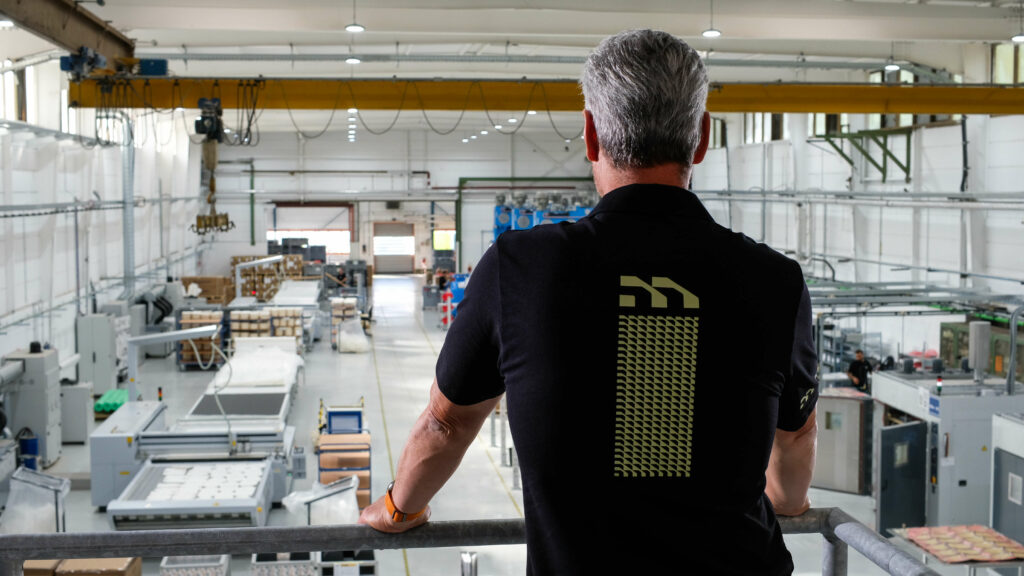
Rather than reacting to short-term market signals, Mehler Systems has focused on strengthening its ability to respond as demand and requirements continue to develop. Production capacity is being expanded across the group, while organisational structures are adjusted to support sustained growth at scale.
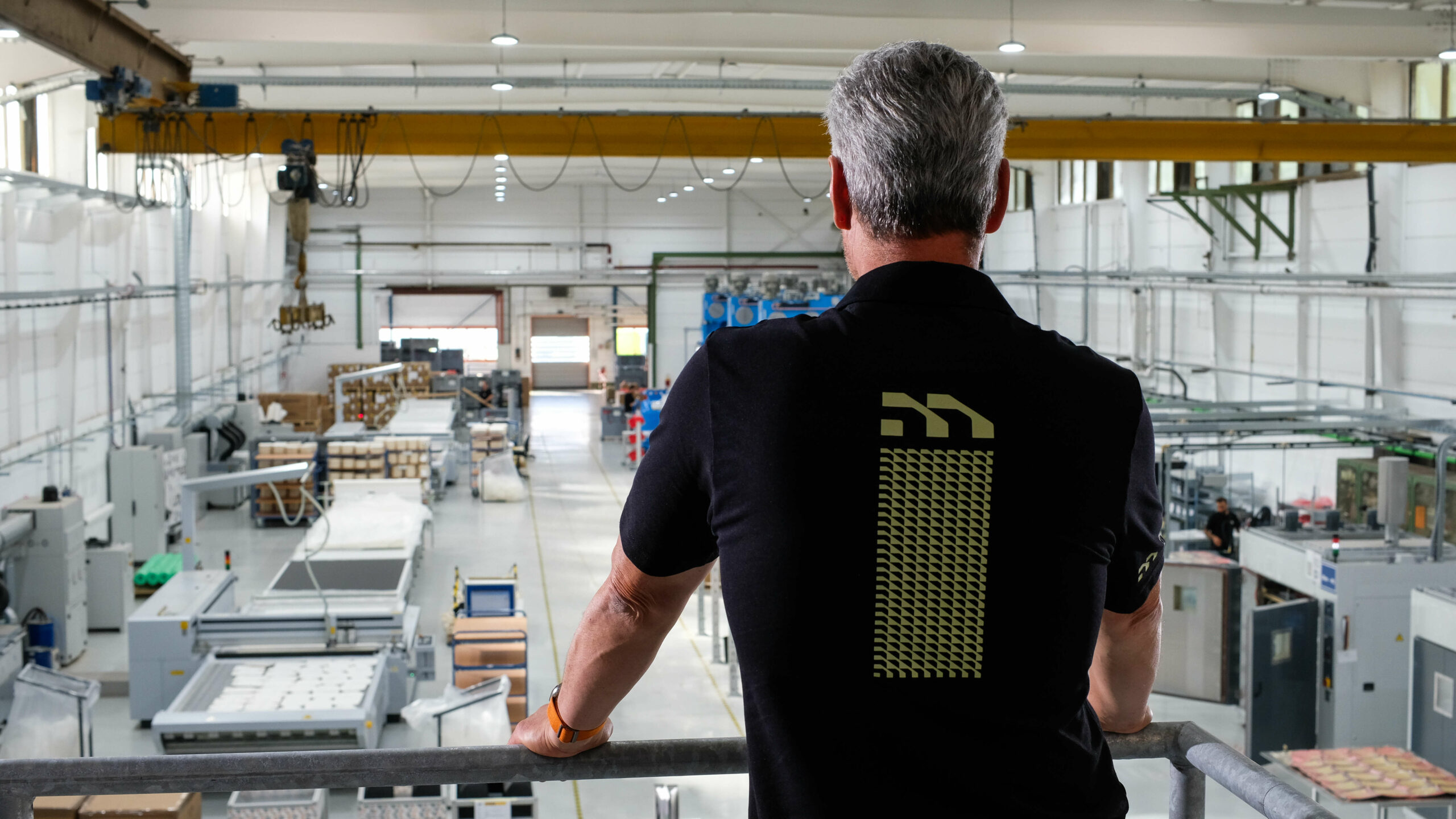
In parallel, the sales organisation continues to evolve toward a more international setup. While German-speaking markets remain an important foundation, the group increasingly supports customers operating in regions with very different procurement frameworks, timelines, and operational realities.
“We are continuing to expand production, and at the same time we are further strengthening the sales organisation,” von Chamier notes. “A key part of this is our increased focus on international markets.”
As the company’s footprint expands, so does the complexity of its operating environment. Supporting customers effectively now requires a detailed understanding of local contexts, from procurement processes to cultural expectations. Building international teams with this expertise remains a priority, enabling closer cooperation and more realistic alignment with customer needs as demand continues to grow.
Current growth is particularly strong in Europe and the Asia-Pacific region, reflecting broader changes in defence planning and procurement priorities.
With renewed emphasis on territorial defence and readiness, customers are reassessing not only what they procure, but how. System integration, delivery timelines, and supply chain resilience have become decisive factors in procurement decisions.
As demand increases, balancing growth with existing commitments remains one of the group’s most complex challenges. Expanding production capacity, investing in sales teams, and improving internal coordination have been necessary to maintain service levels across markets.

“It’s still a balancing act,” von Chamier says. “There are moments where demand is right at the edge of what’s comfortable. But with the expansions we’ve made, we still have room. That’s important, because reliability disappears very quickly once you start overstretching.”
Von Chamier views Mehler Systems’ market performance as the result of consistency rather than a single defining move. “It’s never just one factor,” von Chamier says.
Central to this is the group’s in-house capability. Development, testing, and validation are carried out internally across multiple product areas, enabling faster response when requirements change and ensuring that individual components work together under real operational conditions.
Decades of experience further strengthen this approach. With more than 40 years in the industry, Mehler Systems has a deep understanding of materials, suppliers, and production realities, allowing risks to be identified and managed early in the development and delivery process.

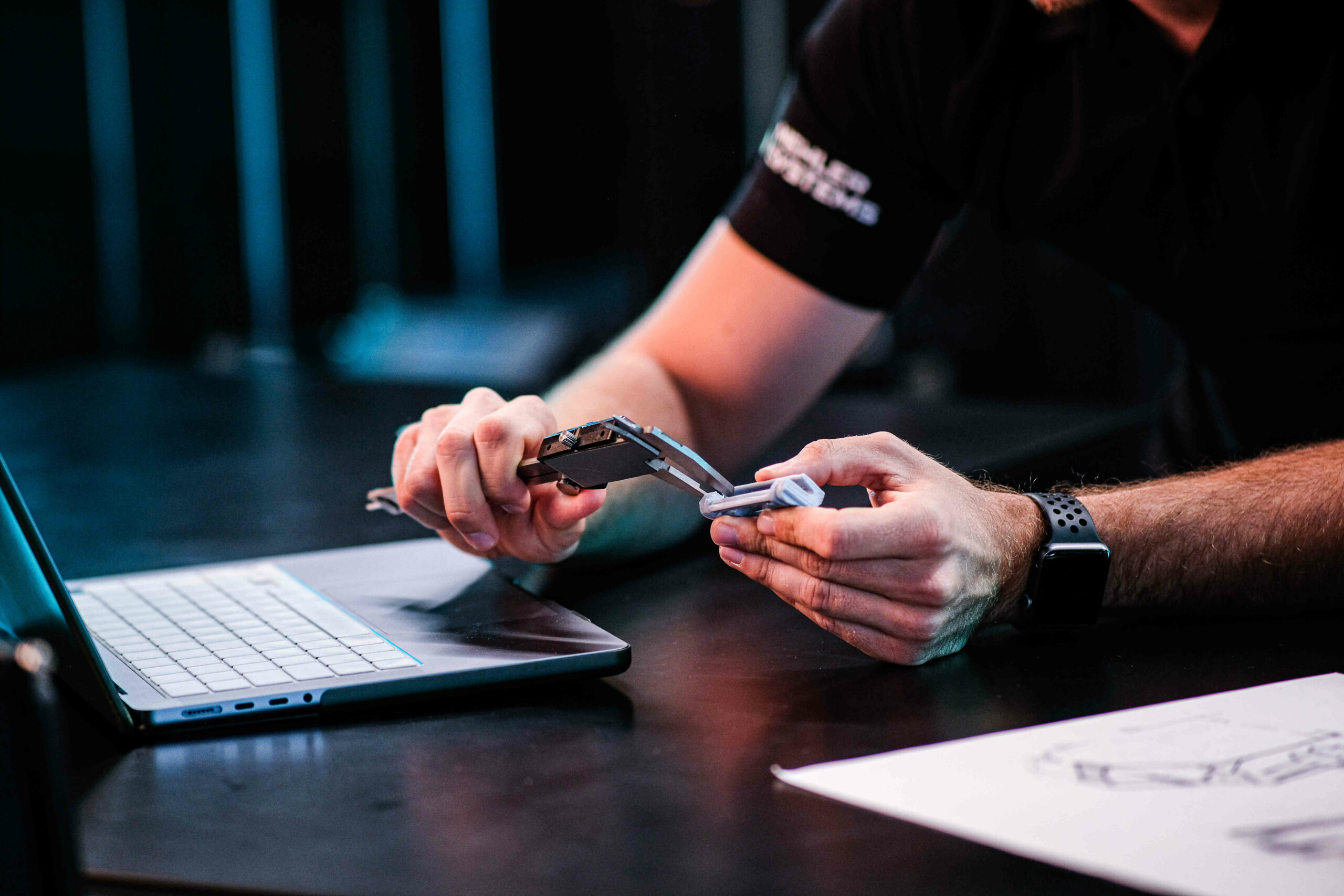
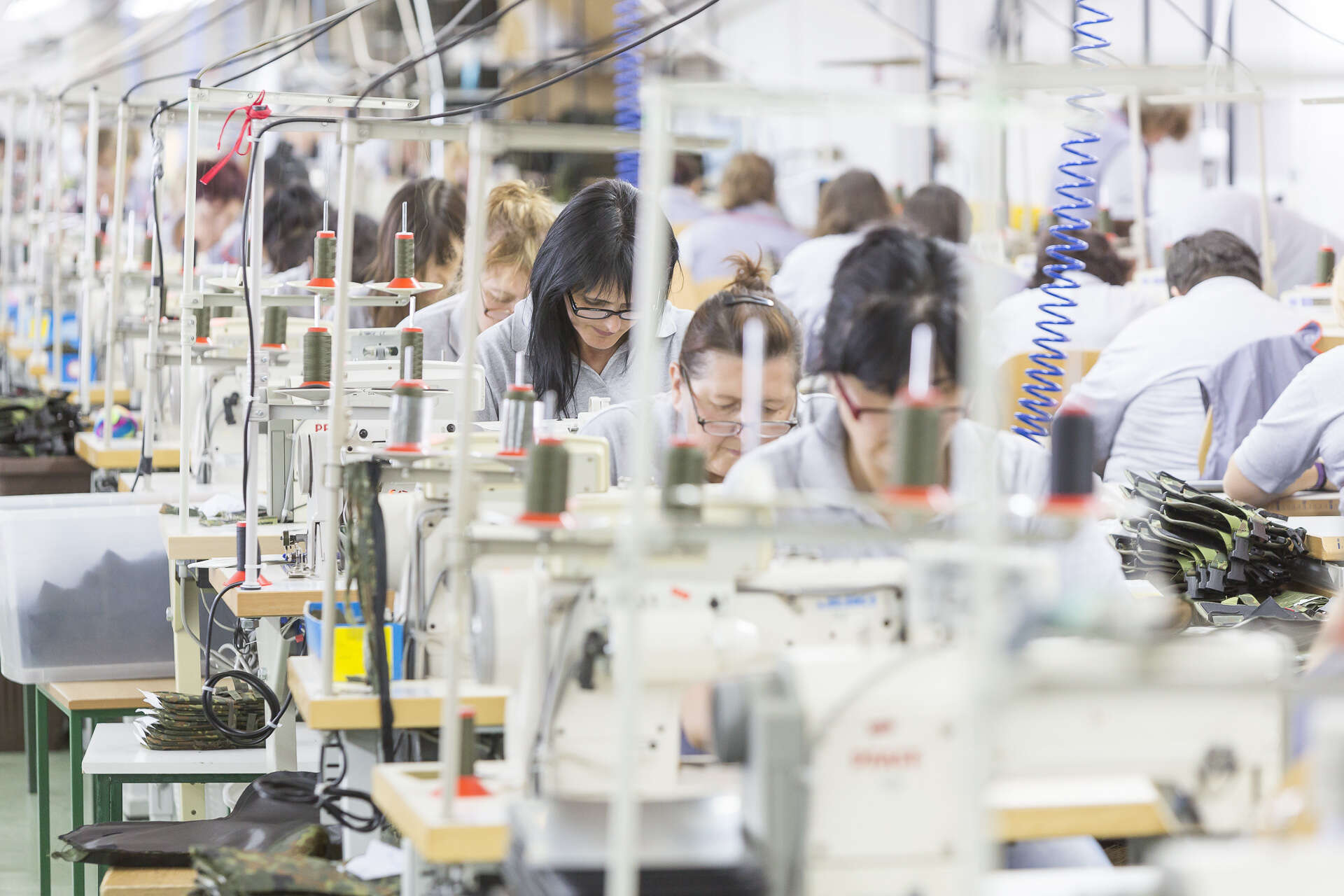
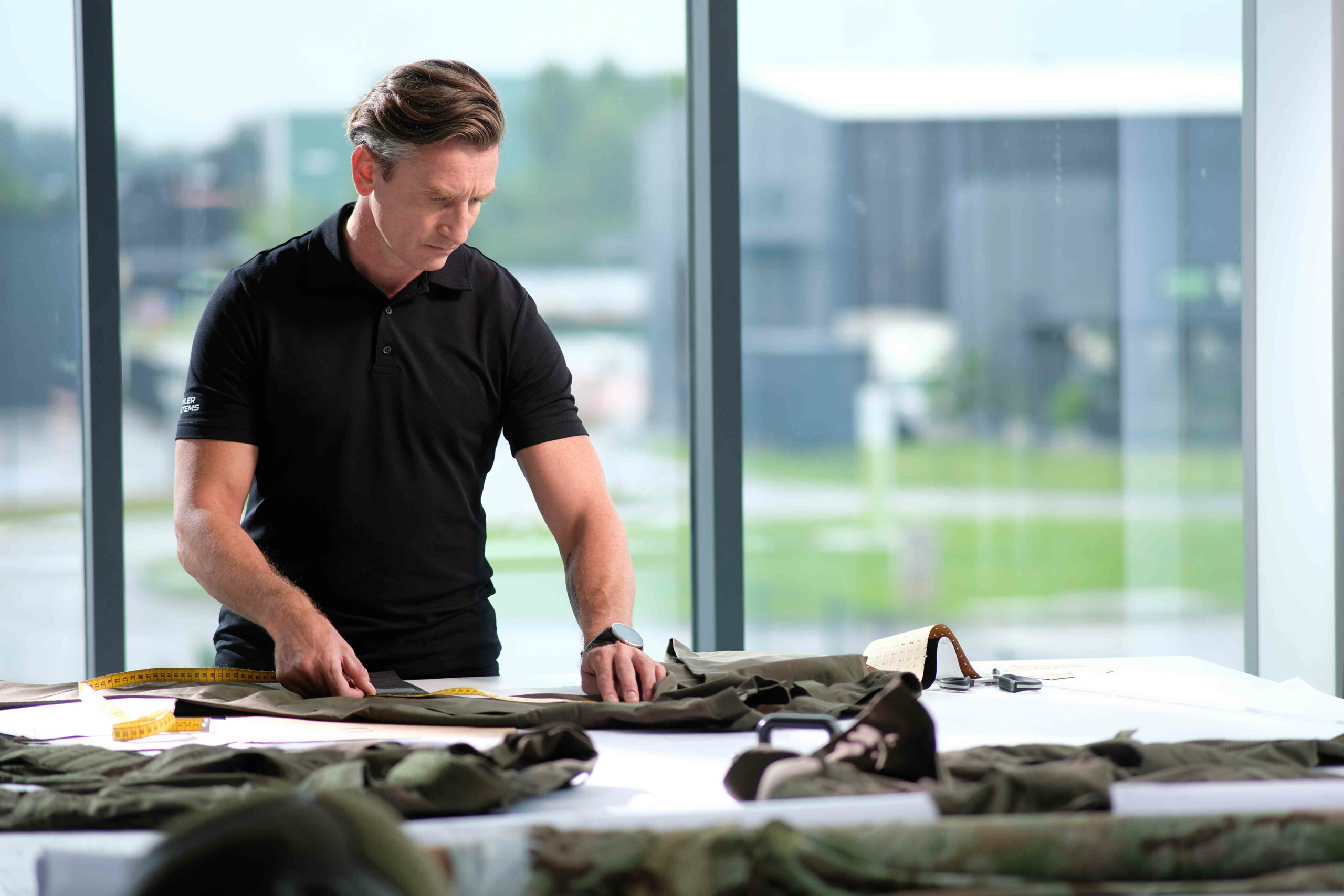
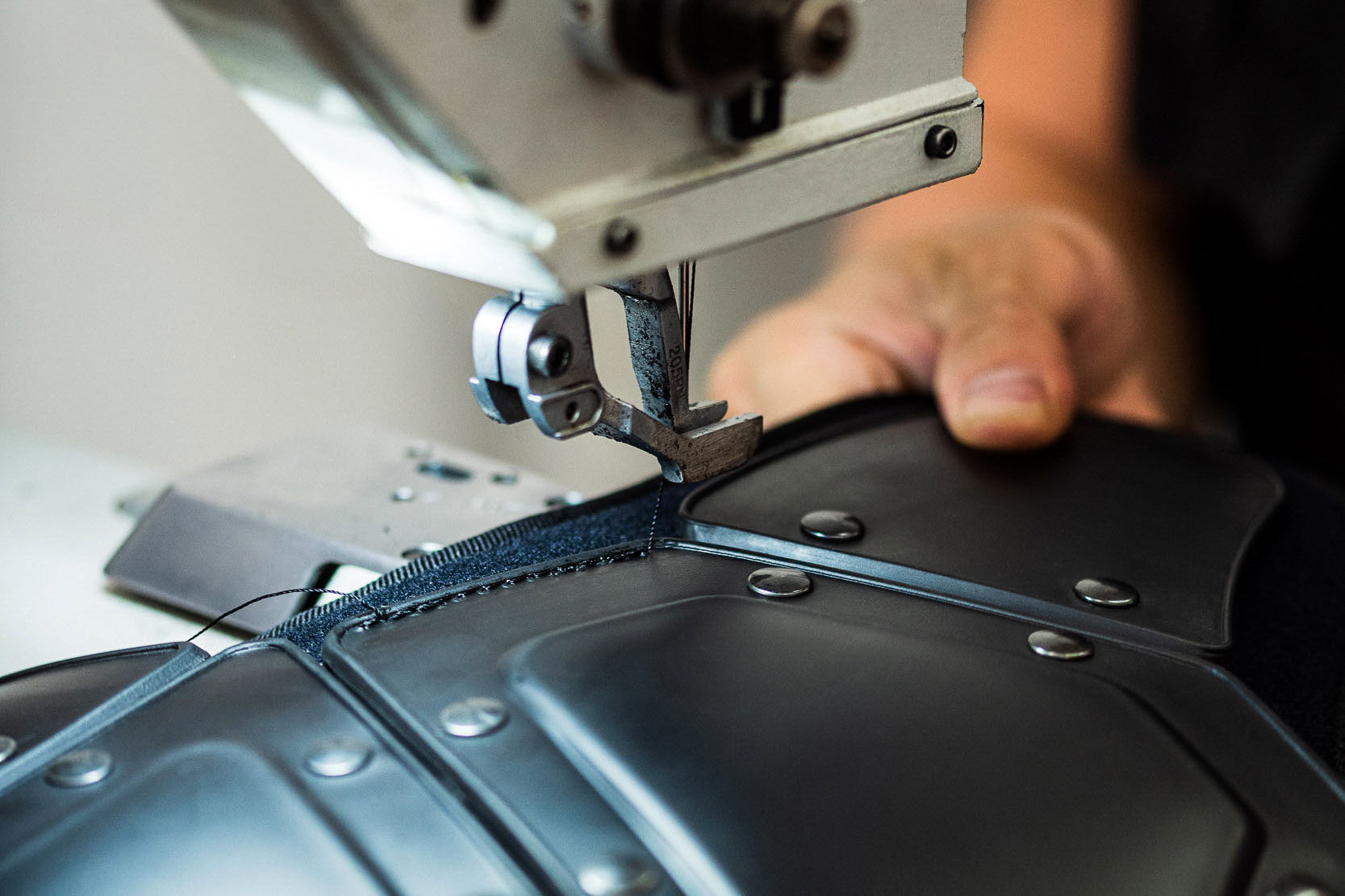
For Mehler Systems, transparency and responsibility form the basis of long-term relationships with customers and partners.
“Trust is built through performance, not through talking,” von Chamier says. “That means being transparent about what works, what doesn’t, and where the limits are.”
Testing plays a critical role in supporting that honesty. Performance is validated extensively, and results are not concealed. Durability, comfort, and integration are treated as essential requirements rather than secondary considerations.
“We don’t treat testing as a sales argument. We treat it as responsibility,” von Chamier says. “At the end of the day, someone is wearing this system in a situation where things can go very wrong very quickly.”
The same mindset extends beyond products to partnerships. Many customer relationships span years and multiple generations of equipment, requiring continuous adaptation as threats, operational concepts, and user needs evolve. Discretion remains essential, as trust in this sector is often defined more by reliability than by visibility.
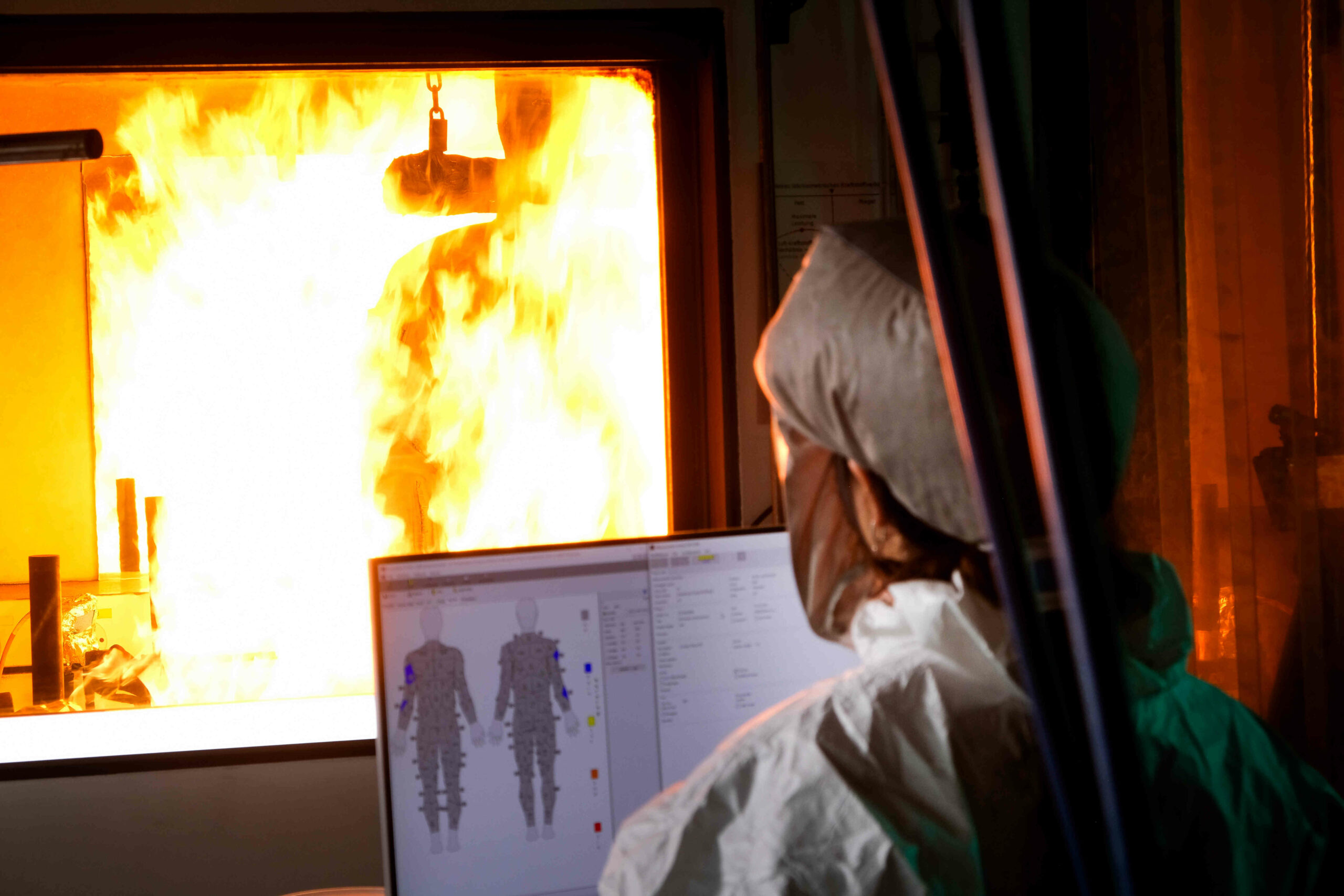
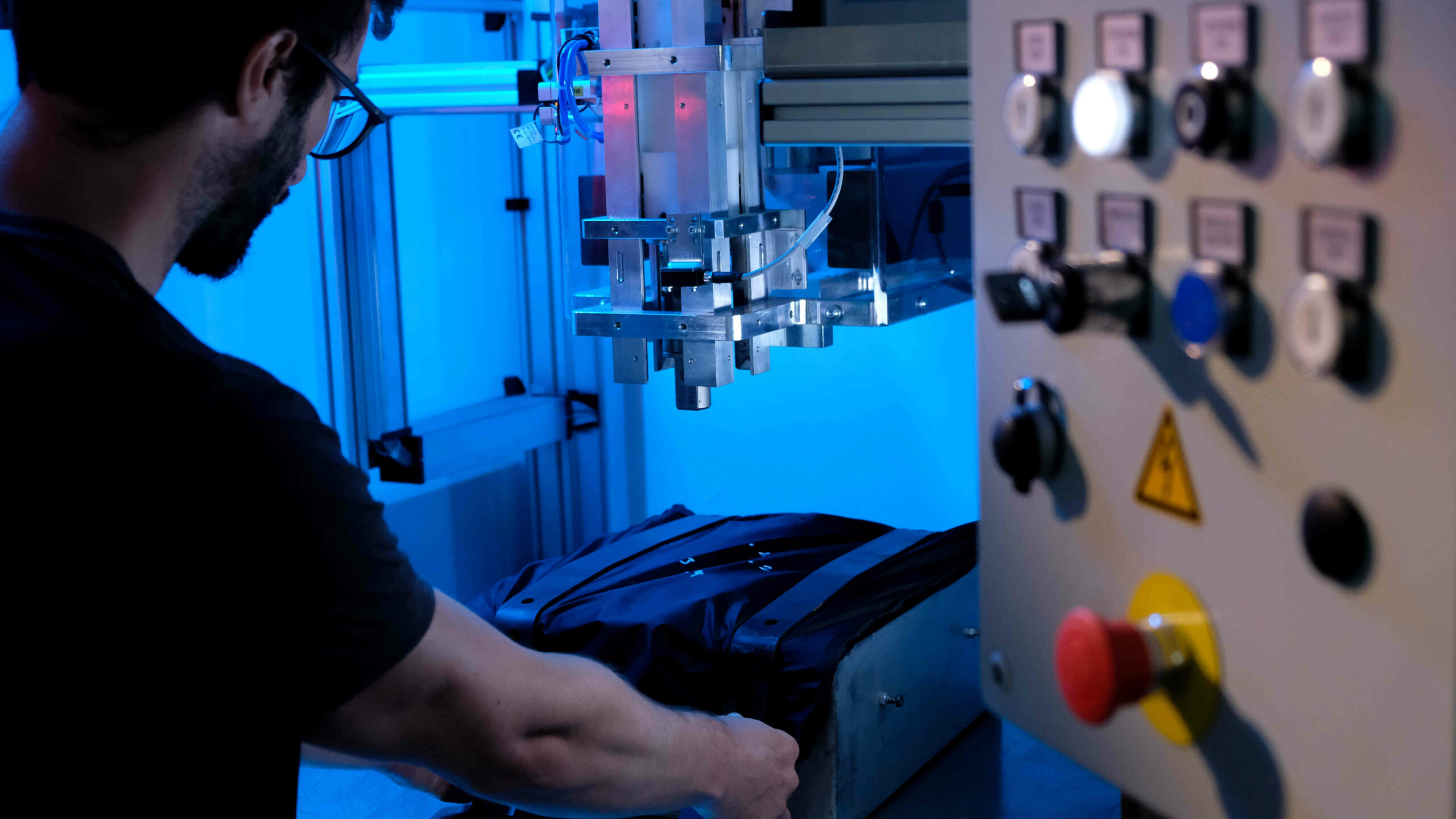
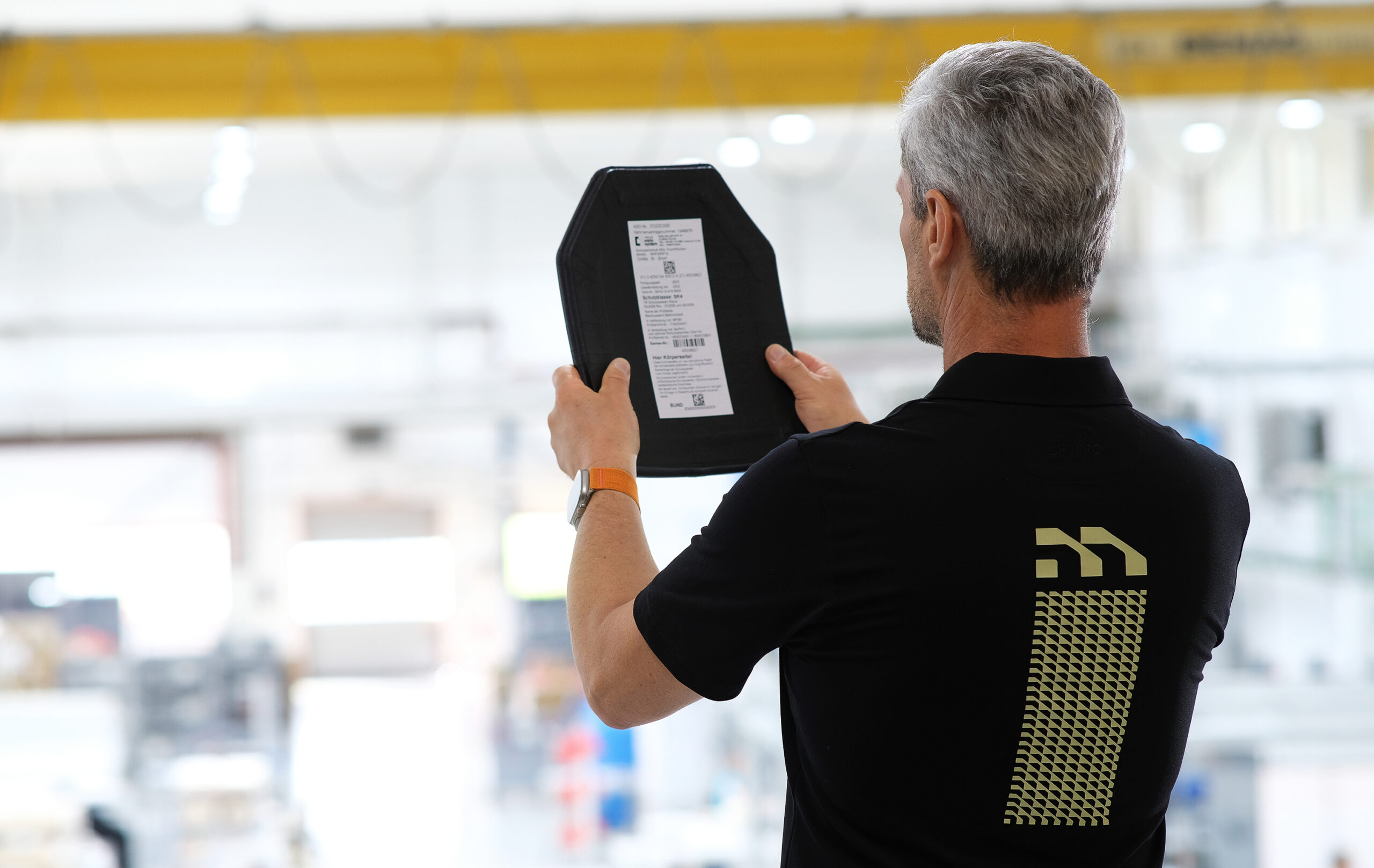
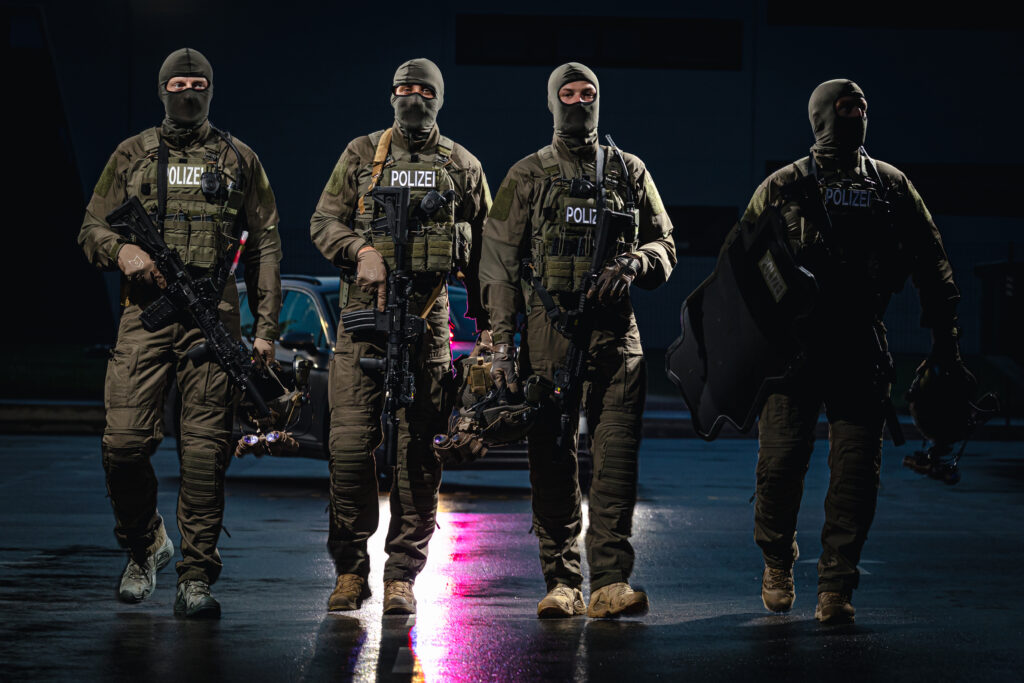
Close cooperation with elite special operations units continues to shape development across the group, ensuring that solutions remain grounded in real-world use.
“They keep us honest,” von Chamier says. “When you work with people who actually use the equipment in real operations, there’s no room for theory or marketing ideas that sound good on paper.”
These partnerships go far beyond a traditional supplier relationship. Continuous exchange and direct feedback influence everything from ballistic design to clothing construction and equipment integration.
Feedback from the field focuses on practical considerations such as mobility, comfort, temperature management, weight, and how systems behave under stress, fatigue, and sustained movement. This input helps ensure that solutions perform as intended when it matters most.
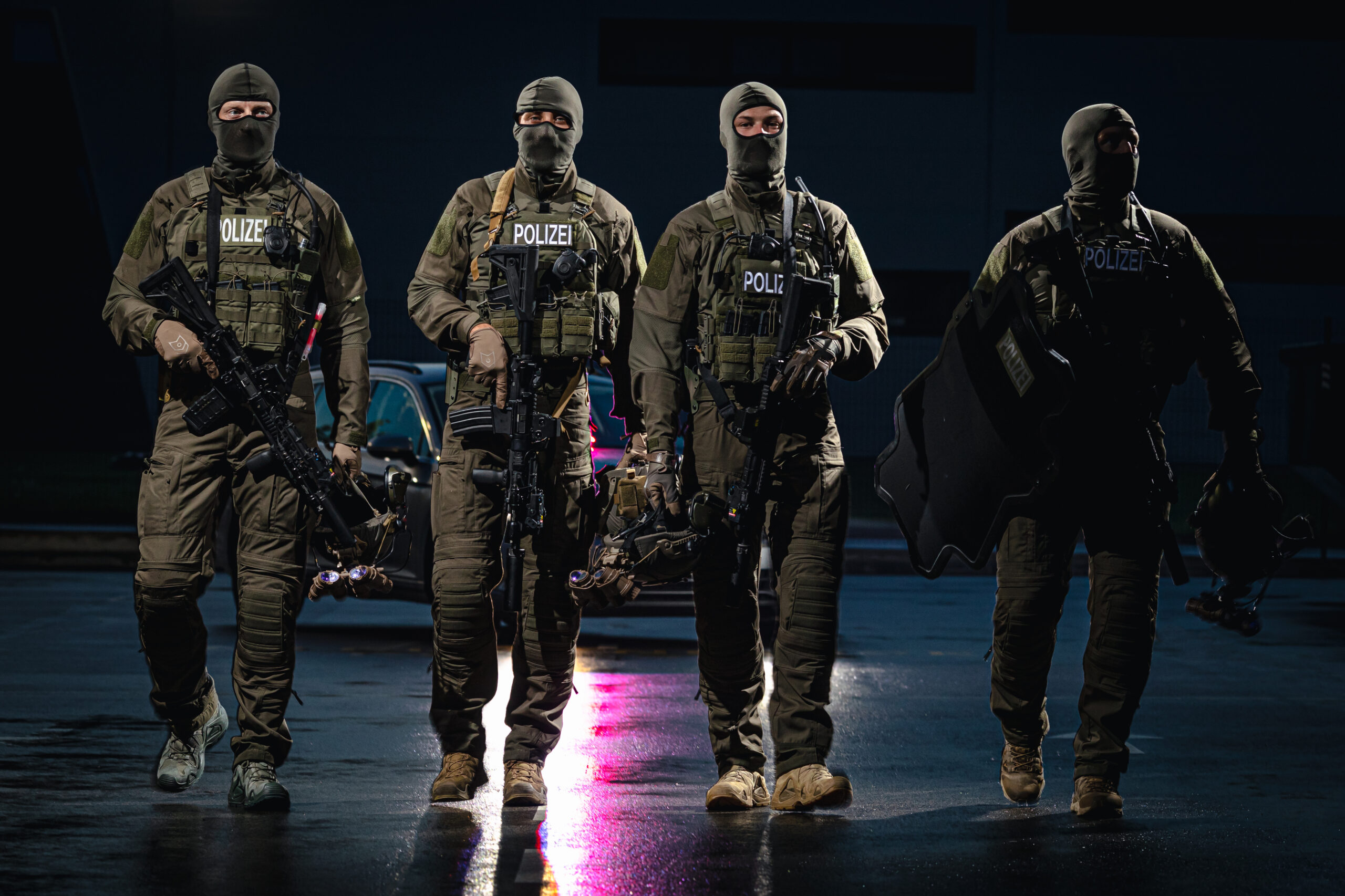
Large-scale programmes such as MOBAST have further reinforced Mehler Systems’ ability to deliver under pressure. Delivered fully on time, the programme demonstrated the group’s capacity to manage complex, high-volume requirements while maintaining quality and continuing to serve other military and police customers in parallel.
“One of the most important aspects is that this programme was delivered fully on time,” von Chamier says. “That’s far from common in large defence projects.”
Internally, these programmes validated the organisation’s ability to scale quickly. New facilities were established within short timeframes, production ramped up rapidly, and quality standards were maintained throughout.
“What I’m particularly proud of is that quality didn’t suffer,” von Chamier adds. “Not a single system was rejected.”
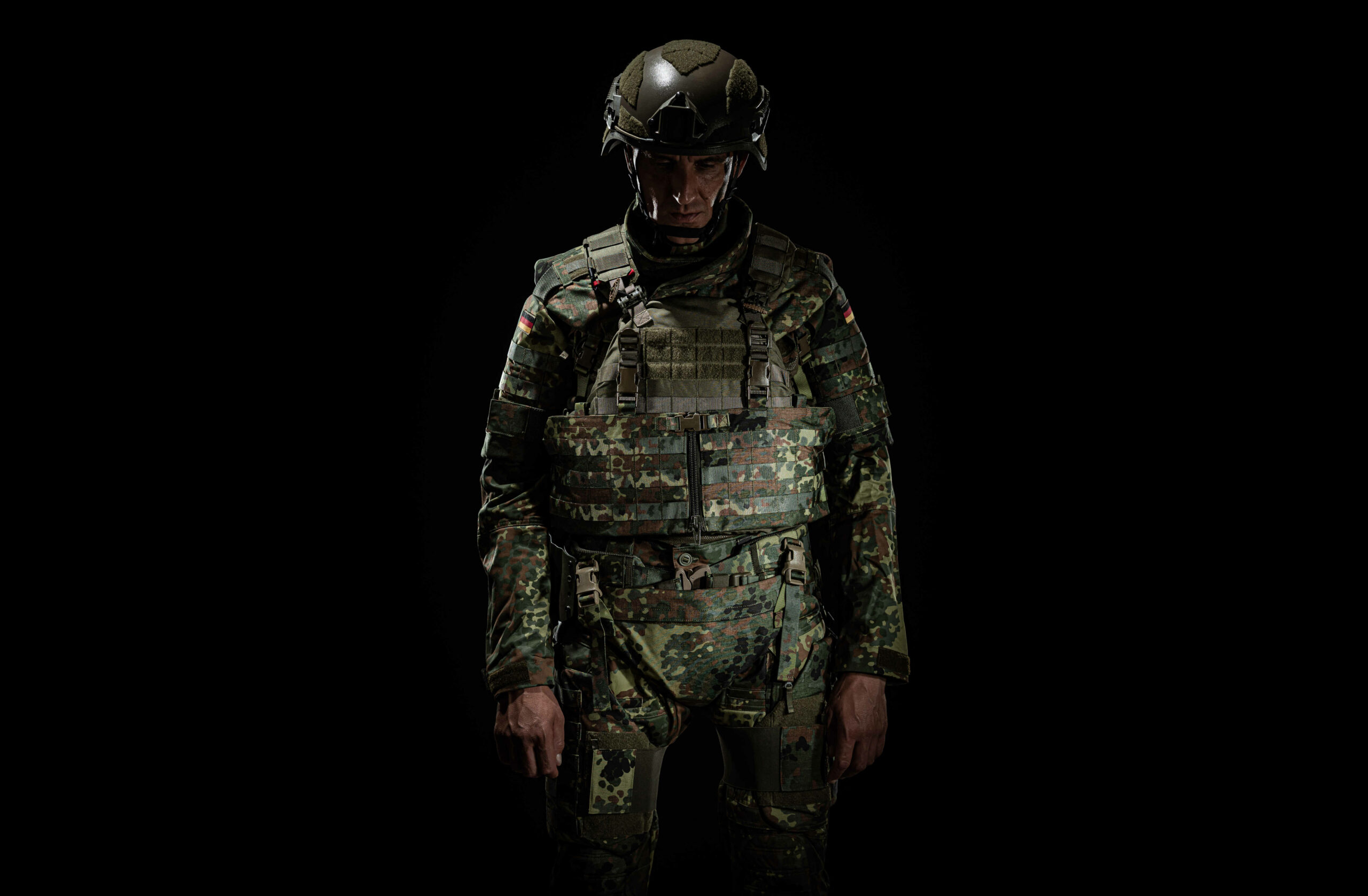
Beyond large-scale framework programmes, Mehler Systems has also been involved in projects defined by urgency and complexity. Among the most demanding has been the group’s support for Ukraine, which required rapid coordination across multiple capabilities and entities.
In this context, Mehler Systems was tasked with delivering a comprehensive, head-to-toe solution combining protection, tactical clothing, and equipment. “Coordinating such a project under time pressure and across multiple entities is challenging, but it also shows what the group is capable of,” von Chamier says.
For von Chamier, the project also highlighted the responsibility that comes with execution in real-world conditions, reinforcing the importance of preparation, coordination, and reliability when timelines are tight and consequences are real.
Looking forward, internationalisation remains a clear priority for Mehler Systems. The focus is on strengthening presence in key regions while preserving the reliability and trust that underpin long-term partnerships.
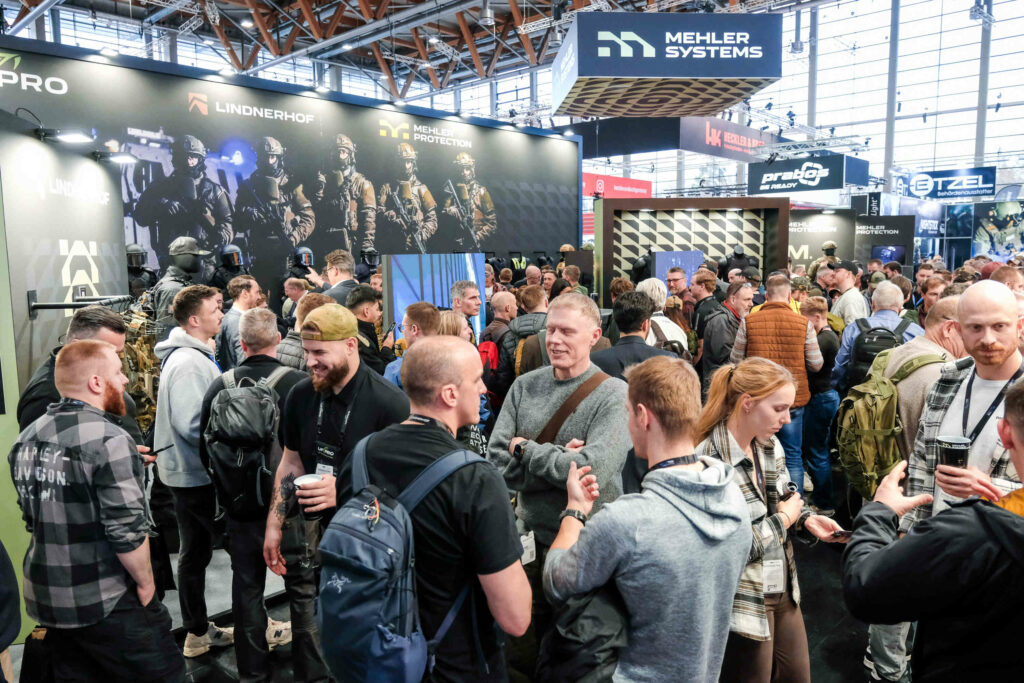
Sales channels continue to be expanded, know-how selectively strengthened, and direct engagement with customers maintained through international trade shows and on-the-ground presence.
Ultimately, the principle that frames this conversation remains unchanged. Growth only matters if commitments can be met; consistently, at scale, and under pressure.
Company news·20 Mar 2026
Company news·06 Mar 2026
Company news·13 Feb 2026